Small Group Training: Why Community Is the Ultimate Accountability Tool

Evan Amell • February 16, 2026

Let's be honest for a second.

You've probably started a fitness routine before. Maybe even several times. You had the motivation, the workout plan, maybe even bought new sneakers. And then... life happened. Work got busy. The couch looked extra comfortable. Nobody would know if you skipped just one day.

Sound familiar? You're not alone.

Here's the thing, willpower is overrated. Relying solely on self-discipline to show up day after day is exhausting. It's like trying to push a boulder uphill by yourself when there's a whole team of people ready to help you roll it.

That's where small group training comes in. And more specifically, that's where community becomes your secret weapon for actually sticking with your fitness goals.

The Problem With Going It Alone

Working out solo sounds great in theory. No schedules to coordinate. No one watching you struggle. Complete freedom.

But here's the catch: when it's just you versus the alarm clock at 5 AM, the alarm clock usually wins.

When you're accountable only to yourself, it's incredibly easy to rationalize skipping a workout. "I'll go tomorrow." "I deserve a rest day." "One missed session won't matter."

Except one turns into two. Two turns into a week. And suddenly, that gym membership is collecting dust.

The research backs this up, accountability that stays internal is much harder to maintain than accountability that's shared with others. When your commitment exists only in your own head, it's fragile.

Why Community Changes Everything

Now, imagine a different scenario.

You walk into your portland maine fitness classes and Sarah waves at you from across the room. Mike asks how your week's been going. Your coach notices you showed up even though you mentioned feeling tired yesterday, and gives you a nod of respect.

Suddenly, skipping doesn't feel so easy anymore.


This is the power of community-based accountability.

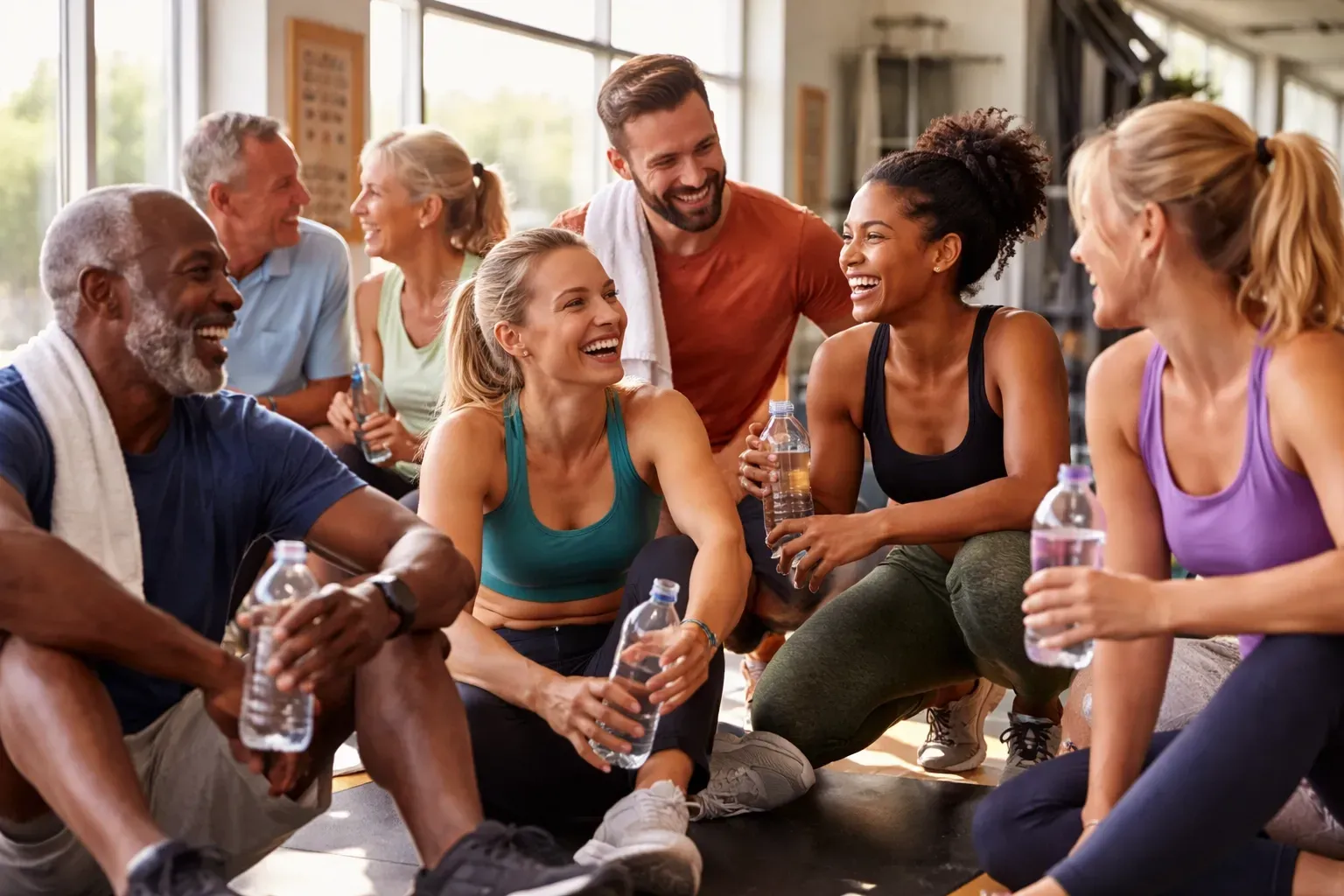
When you're part of a small group, your absence isn't just a personal setback, it's felt by others. Your coach and your teammates expect you to show up. They notice when you're not there. And honestly? That expectation becomes a powerful motivator.

It's not about guilt. It's about connection.

You're no longer just working out for yourself. You're showing up for your people. And that shift in mindset makes all the difference.

The Science Behind It

Let's get a little nerdy for a second. 🤓

Research consistently shows that small group training increases camaraderie, accountability, and overall success. The relationships and friendships you build in these settings directly increase your adherence to fitness programs.

Here's why it works:

  • Mutual dependence: When others are counting on you, skipping feels like letting them down, not just yourself
  • Emotional support: Your group celebrates your wins and picks you up on tough days
  • Shared goals: Knowing others are working toward similar objectives keeps you aligned and motivated
  • Collective energy: Seeing others push hard naturally encourages you to push harder too

Think about it. When you're surrounded by people who share your struggles and your goals, the whole experience changes. You're not battling alone anymore. You've got backup.
What Small Group Training Actually Looks Like

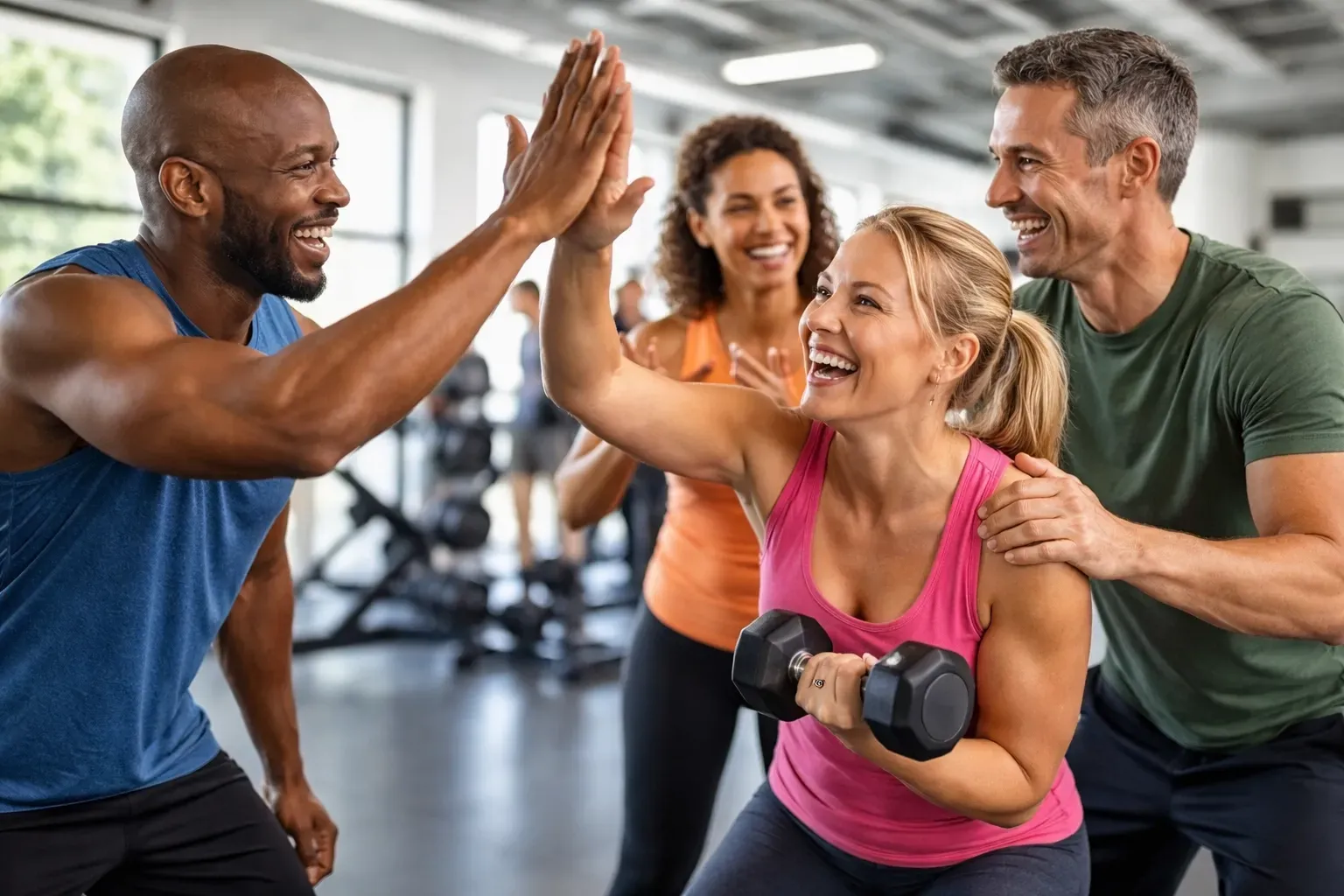
So what does this community-driven approach look like in practice?

At EA Fitness & Performance, small group training isn't just a bunch of people doing the same workout in the same room. It's intentionally designed to foster real connection.

Here's what sets it apart from a regular gym class:

✅ Smaller groups mean your coach actually knows your name, your goals, and your limitations

✅ Consistent schedules mean you're working out with the same people regularly, building real relationships

✅ Personalized attention within a group setting gives you the benefits of personal training portland maine offers, but with built-in community

✅ Supportive environment where everyone's cheering each other on, regardless of fitness level

It's the sweet spot between one-on-one personal training and large group fitness classes. You get expert coaching tailored to your needs AND the motivational power of a tight-knit community.
The Support Network You Didn't Know You Needed

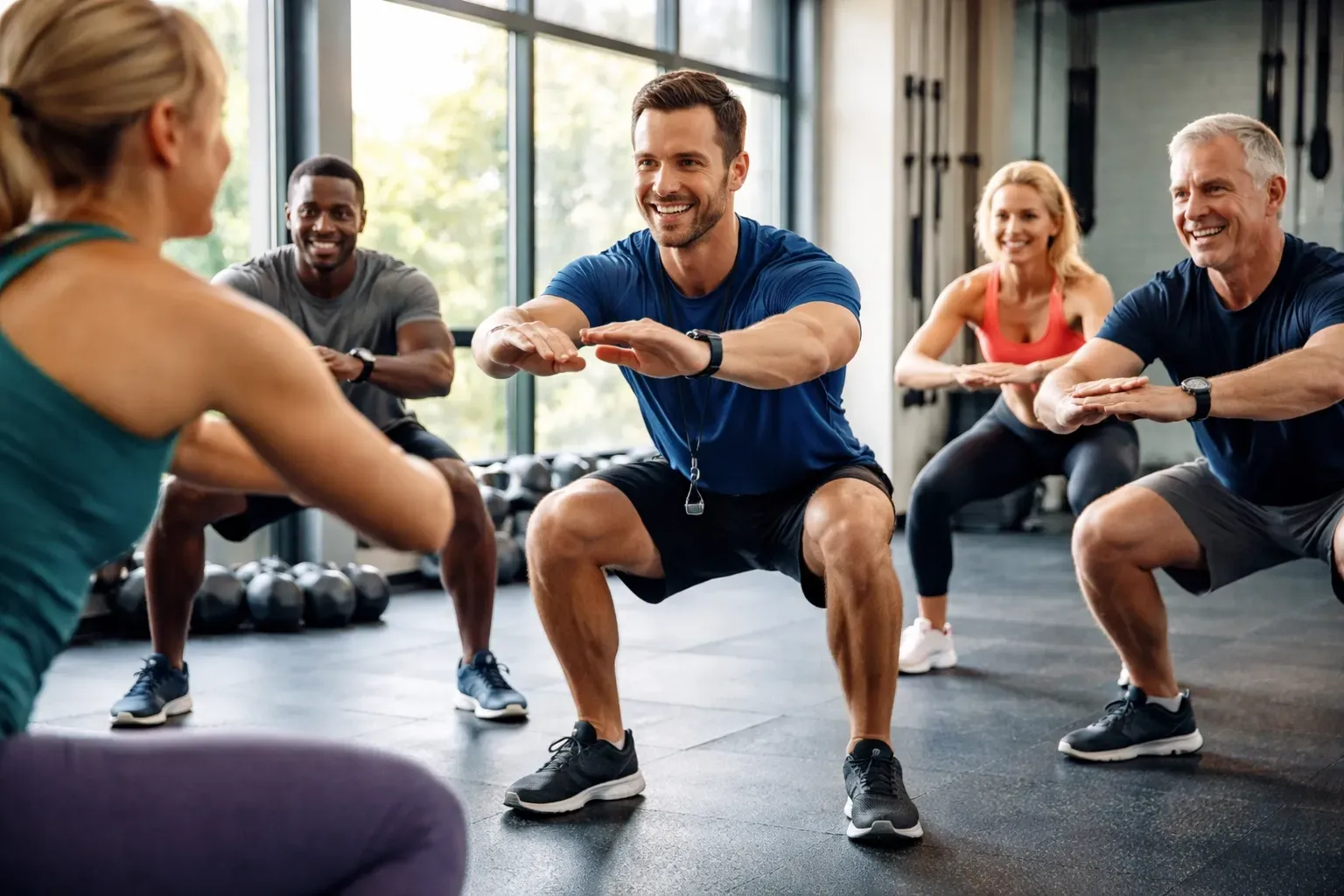
Here's something that might surprise you: the friendships you build in small group training often extend beyond the gym.


When you show up consistently with the same group of people, you start to genuinely care about each other's progress. You text to check in when someone misses a session. You celebrate together when someone hits a PR. You swap tips about recovery, nutrition, and managing busy schedules.


This support network becomes something bigger than just workout buddies.


It becomes a tribe.

And when you're part of a tribe, quitting isn't really an option. Not because anyone's forcing you to stay, but because you don't want to let your people down. You don't want to miss out on being part of something meaningful.

Real Talk: It's Not Just About Showing Up

Now, let's be clear. Community accountability isn't just about dragging yourself to the gym because you feel obligated.

It's about wanting to show up because the experience is genuinely enjoyable.

When you're surrounded by supportive people and guided by coaches who actually care about your progress, working out stops feeling like a chore. It starts feeling like the best part of your day.

At EA Fitness & Performance, our coaches create an environment where everyone, regardless of age, fitness level, or experience, feels welcome and supported. Whether you're 25 or 55, just starting out or coming back after years away, you'll find your place here.

That's the kind of environment where real, lasting change happens.

How to Get Started

Feeling inspired? Here's how to take that first step:

  1. Find the right fit: Look for portland maine fitness classes that prioritize small group sizes and personalized coaching
  2. Commit to consistency: The magic happens when you show up regularly with the same group
  3. Be open: Let yourself connect with the people around you, say hi, introduce yourself, be vulnerable about your goals
  4. Trust the process: Community accountability builds over time as relationships deepen

If you're in Southern Maine and looking for a supportive space to start (or restart) your fitness journey, we'd love to meet you. Check out our small group training options or reach out through our contact page to learn more.
The Bottom Line

You don't have to white-knuckle your way through another fitness attempt alone.

Community isn't just a nice-to-have: it's the ultimate accountability tool. It transforms fitness from a solo grind into a shared journey. It makes showing up easier, more enjoyable, and way more sustainable.

So stop trying to do it all by yourself. Find your people. Show up for them, and let them show up for you.

That's how real, lasting change happens.

We'll see you in the gym. 💪

recent posts

By Evan Amell • October 1, 2026
Whole Foods, Real Results You know you should probably eat more whole foods. But then life happens. Work runs late. The kids need dinner. You’re hungry, tired, and standing in the kitchen wondering what can be ready in five minutes. Reaching for something packaged or ordering takeout doesn’t make you lazy. It makes you human. Still, if your goals include losing weight, improving your health, and feeling stronger after 40, the quality of your food matters more than you may realize. Not because any single food is “good” or “bad.” And not because you need to follow a perfect meal plan. Whole foods simply give your body more of what it needs: and make it easier to feel satisfied without constantly counting calories. So, what exactly are whole foods? And how can you eat more of them when your schedule is already full? Let’s break it down. 🥦 What Are Whole Foods? Whole foods are foods that are close to their natural state and haven’t been heavily altered. That includes: Vegetables Fruit Meat and poultry Fish and seafood Eggs Dairy products such as Greek yogurt and cottage cheese Nuts and seeds Beans, peas, and lentils Whole grains such as oats, brown rice, quinoa, and barley Some foods are processed without being a problem. Frozen vegetables, canned beans, plain yogurt, and pre-cut produce can all support a healthy diet. The bigger concern is highly processed food that has been significantly changed and engineered to be extremely easy to overeat. These foods often combine refined carbohydrates, added sugar, salt, fat, and strong flavors in a way that keeps you reaching for “just one more.” Stop. This isn’t about guilt. It’s about understanding what makes your choices easier or harder. Whole foods tend to come with more fiber, water, protein, and nutrients. Highly processed foods often deliver a lot of calories quickly without creating the same level of fullness. That difference matters. Why Whole Foods Can Help With Weight Loss Weight loss is not just about willpower. Your food choices influence hunger, fullness, energy, and how easy it is to stay consistent. Whole foods support these areas in several important ways. 1. They help you feel fuller Vegetables, fruit, legumes, and whole grains contain fiber. Fiber adds bulk to your meals and slows digestion, which can help you stay satisfied longer. Protein has a similar advantage. Chicken, fish, eggs, Greek yogurt, lean meat, beans, and lentils can help you feel more satisfied after eating while also supporting muscle. When you build a meal around protein and fiber, you’re less likely to find yourself searching the pantry an hour later. 2. They’re often lower in calorie density Calorie density refers to how many calories a food contains in a given amount of weight or volume. Vegetables and fruit contain a lot of water and fiber, so you can often enjoy a generous portion for relatively few calories. Compare that with a small handful of highly processed snacks that may contain many calories without filling you up. This is one reason a plate full of vegetables, protein, and a whole-food carbohydrate can support weight loss without leaving you feeling deprived. You get more volume. More chewing. More satisfaction. And usually, fewer calories without needing to measure every bite. 3. They provide more protein per meal As you get older, preserving muscle becomes increasingly important. Muscle supports strength, balance, independence, metabolism, and your ability to stay active. Weight loss that comes primarily from muscle is not the goal. Adequate protein, combined with resistance training, can help you preserve lean muscle while losing body fat. That’s why we encourage you to include a protein source at every meal. Try: Eggs with vegetables at breakfast Greek yogurt with berries and nuts Chicken or fish at lunch Lean meat, beans, or lentils at dinner Cottage cheese or a simple protein-rich snack when needed Your body needs the building blocks. Give it some. 4. They’re less likely to trigger mindless eating Many highly processed foods are designed to be convenient, intensely flavorful, and easy to eat quickly. That doesn’t mean you can never enjoy them. It does mean they may be harder to eat casually and stop when you’re satisfied. Whole foods usually require more chewing and take longer to eat. A bowl of berries, yogurt, and nuts feels different from eating a sweet snack straight from a large package. Over time, these small differences can make it easier to manage portions naturally. Whole Foods Support More Than the Number on the Scale Weight loss may be your first goal, but it shouldn’t be your only measure of progress. A whole-food eating pattern can support several areas of health that become especially important in your 40s, 50s, and beyond. More stable blood sugar Meals built around protein, fiber, and minimally processed carbohydrates are generally digested more slowly than meals dominated by refined carbohydrates and added sugar. That can support steadier energy and help reduce the cycle of a quick boost followed by a crash. Healthier cholesterol and blood pressure Vegetables, fruit, legumes, whole grains, nuts, seeds, fish, and other nutrient-dense foods can contribute to a heart-supportive eating pattern. Fiber may help support healthy cholesterol levels. Eating more whole foods can also make it easier to reduce excess sodium, added sugar, and heavily processed fats. Better digestion Fiber supports regular digestion and feeds beneficial bacteria in your gut. If you currently eat very little fiber, increase it gradually and drink enough water. Your body may need time to adjust. More consistent energy Have you ever eaten lunch and felt exhausted soon afterward? A meal with protein, vegetables, and a satisfying whole-food carbohydrate may help you feel fueled without the same heavy, sluggish feeling that often follows a highly processed meal. Better sleep and recovery Food isn’t a magic sleep cure. But regular meals, adequate protein, enough fiber, and a balanced intake of nutrients can support your overall recovery routine. Better recovery helps you train consistently. Consistent training helps you build strength. It all connects. Support for joints and active living A diet rich in vegetables, fruit, fish, nuts, seeds, and other nutrient-dense foods can help support overall health and a healthy inflammatory response. That matters when you want to keep walking, lifting, gardening, playing with your kids or grandchildren, and doing the activities you enjoy. The Practical Challenge: Whole Foods Take Planning Here’s the honest truth: processed food is convenient. It’s packaged. It’s ready to eat. It’s everywhere. Whole foods often take a little more thought. You may need to shop, wash, chop, cook, or assemble. That can feel like a lot when you’re already busy. But you don’t need a perfect meal-prep routine. You need a few reliable systems. Start with these simple habits: ✅ Build meals around protein first. Ask, “What’s my protein?” before deciding on the rest of the meal. ✅ Aim for protein at every meal. This can be eggs, fish, chicken, lean meat, Greek yogurt, cottage cheese, beans, lentils, or another option you enjoy. ✅ Fill about half your plate with vegetables. Fresh, frozen, roasted, sautéed, or steamed all count. Choose the format you’re most likely to eat. ✅ Prep one or two things on Sunday. You don’t need to cook twelve meals. Try preparing hard-boiled eggs, roasted vegetables, cooked grains, or a batch of chicken. ✅ Keep easy whole-food options available. Convenience matters. Stock your kitchen with: Hard-boiled eggs Rotisserie chicken Pre-cut vegetables Plain Greek yogurt Berries Nuts Canned tuna or salmon Frozen vegetables Beans and lentils Oats ✅ Read the ingredient label. You don’t need to understand every nutrition claim on the front of a package. Look at the ingredient list. If it’s extremely long and filled with ingredients you don’t recognize, consider whether a simpler option would work. ✅ Use the 80/20 approach. Let whole foods make up most of your diet. Enjoy other foods without guilt the rest of the time. That’s not failure. That’s balance. A Simple Whole-Food Day What could this look like in real life? Breakfast: Eggs with spinach and whole-grain toast, plus berries. Lunch: A chicken and vegetable bowl with brown rice, beans, salsa, and avocado. Snack: Greek yogurt with berries and a small handful of nuts. Dinner: Salmon, roasted vegetables, and potatoes or quinoa. Dessert or treat: Something you genuinely enjoy. No complicated rules. No elimination list. No starting over on Monday. Just meals that provide protein, fiber, nutrients, and satisfaction. You Don’t Have to Eliminate Everything Let’s be clear: no single food determines your health. You don’t need to eliminate bread, pasta, dessert, dairy, or your favorite family meals. You don’t need to label yourself as “perfect” or “off track.” Instead, focus on crowding in better options. Add vegetables to lunch. Put protein in your breakfast. Choose fruit when you want something sweet. Keep easy ingredients ready so you’re not making every decision while hungry. The goal is not restriction. It’s creating a food environment that makes your goals easier to support. Pair Nutrition With Personalized Training Nutrition and exercise work best together. Eating more whole foods can support your energy, recovery, and body-composition goals. Personalized training can help you build strength, improve movement, and preserve muscle as you age. At EA Fitness & Performance , our certified nutrition coaches help you build sustainable habits: not crash diets or overly restrictive plans. Nutrition coaching can also be paired with personalized training , so your food and workouts support the same goals. You don’t have to figure everything out alone. A coach can help you turn general advice into practical choices for your schedule, preferences, health needs, and goals. Learn more about nutrition coaching at EA Fitness & Performance . Your Next Step Don’t try to rebuild your entire diet overnight. Start with one meal. At your next breakfast, add protein. At lunch, include a vegetable. At dinner, swap one highly processed side for a whole-food option. Small choices become routines. Routines become results. And results don’t come from being perfect. They come from consistently giving your body the support it needs. You can do this: one meal, one choice, and one day at a time. 💪 Evan Amell Owner, EA Fitness & Performance
By Evan Amell • September 24, 2026
More Than a Number: Why Meaningful Goals Are the Difference Between Starting and Succeeding 
By Evan Amell • September 17, 2026
Whole Foods, Real Results: Why What You Eat Matters More Than You Think