Building Sustainable Fitness Routines in January: Your Guide for Long-Term Success
January is here, and if you're like most people, you've probably made some fitness resolutions. But here's the thing... resolutions fade. Real habits? They stick around.
You're not alone if you've struggled to maintain your fitness goals past February. Research shows that 80% of New Year's resolutions fail by the second week of February. But that doesn't have to be your story this year.
Let's talk about how to build a fitness routine that actually works for your life – one that you'll still be following in June, September, and beyond.
Start with an Honest Assessment (No Judgment Zone)
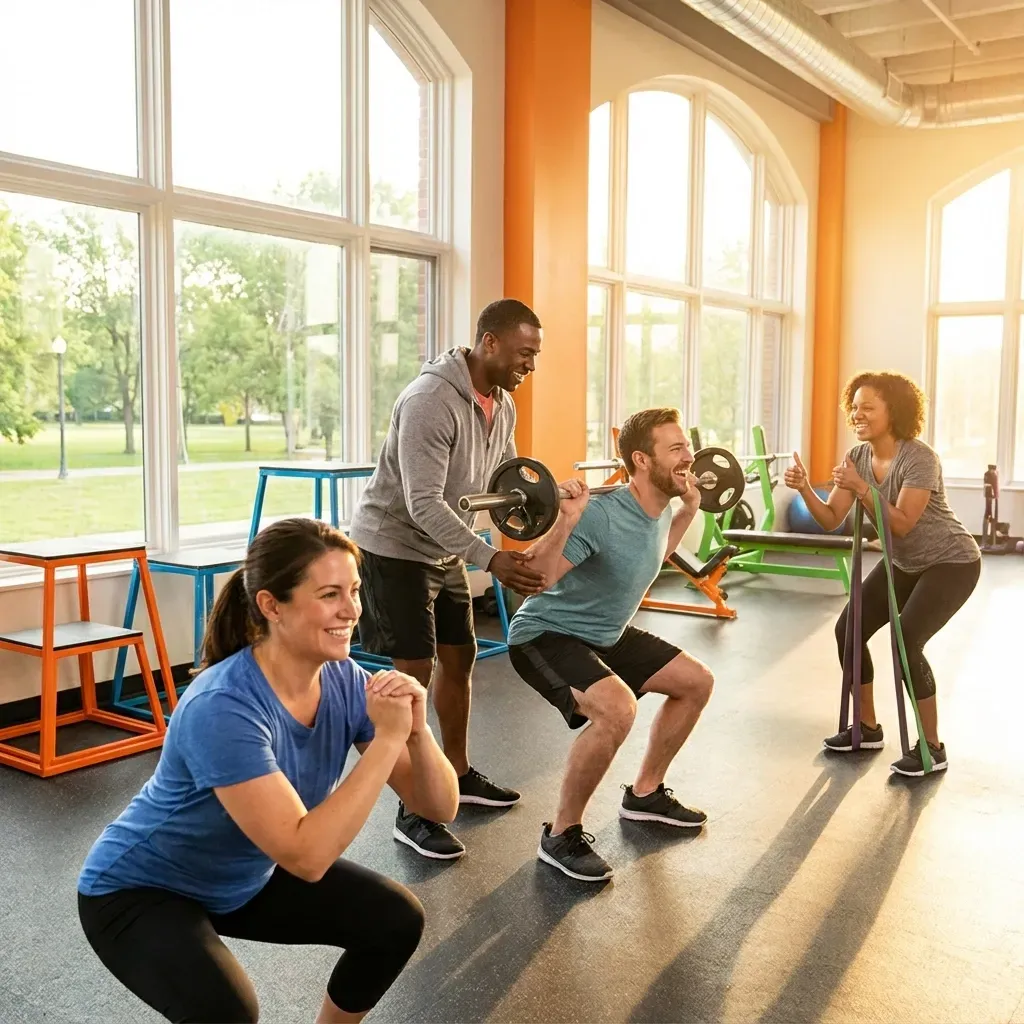
Before you jump into any fitness program, let's get real about where you're starting from. This isn't about shame or comparison – it's about setting yourself up for success.
Take a moment to honestly evaluate:
- How many days per week are you currently active?
- What's your energy level like throughout the day?
- Where do you feel strong, and where do you struggle?
- What does your schedule realistically allow?
This baseline assessment prevents you from setting goals that are either too ambitious (hello, burnout) or too easy (goodbye, progress). When you know where you're starting, you can build a path that actually fits your life.
Transform Resolutions into SMART Habits
Stop making vague promises to yourself. "Get fit" isn't a plan – it's a wish.
Instead, create SMART goals:
- Specific: "Exercise three times per week" instead of "work out more"
- Measurable: "Walk 8,000 steps daily" gives you something concrete to track
- Achievable: Can you realistically do this with your current schedule?
- Relevant: Does this goal align with what you actually want?
- Time-bound: "Within the next 8 weeks" creates urgency
Here's what this looks like in practice:
❌ "I want to lose weight and get stronger"
✅ "I will attend two strength training sessions and one cardio workout each week for the next 6 weeks"
The second version gives you a clear roadmap and measurable checkpoints.
Design Your Weekly Framework
A sustainable routine isn't about perfection – it's about consistency with variety. Here's a framework that prevents both boredom and burnout:
Your Weekly Blueprint:
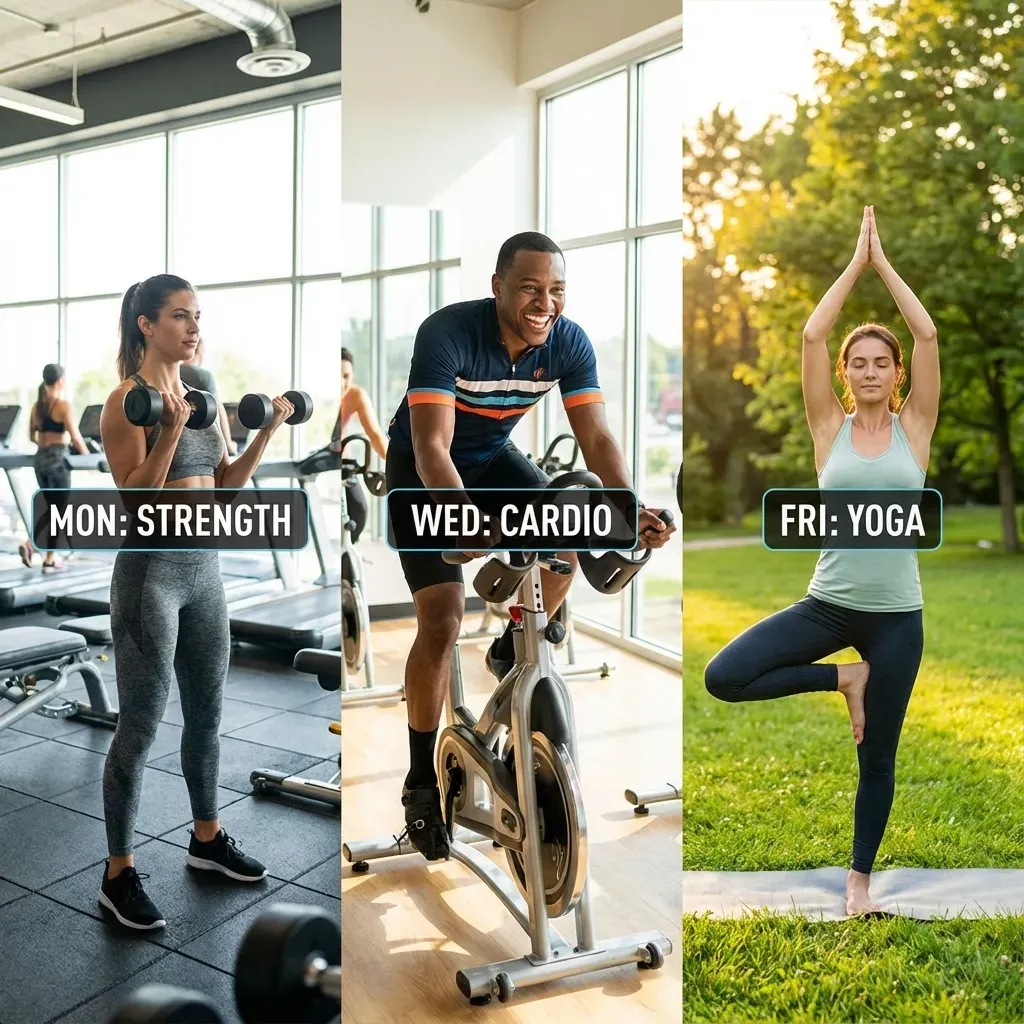
- 2-3 strength training sessions (compound movements like squats, deadlifts, push-ups)
- 2-3 cardio sessions (walking, cycling, swimming – whatever you enjoy)
- 1-2 recovery/flexibility sessions (yoga, stretching, light movement)
- 1 complete rest day
Notice we're not talking about 7-day-a-week grinding. That's a recipe for quitting by Valentine's Day.
The key? Start with what feels manageable. Three workouts per week beats seven workouts for two weeks followed by complete abandonment.
The Enjoyment Factor (This Changes Everything)
Here's a truth bomb: If you hate your workouts, you won't stick with them.
You don't have to love burpees or deadlifts. Find movement that makes you feel good:
- Love music? Try dance-based workouts
- Enjoy nature? Hiking and outdoor activities
- Prefer social settings? Group fitness classes
- Like competition? Sports or challenge-based workouts
At EA Fitness & Performance, we see this transformation all the time. When people discover movement they actually enjoy – whether that's in our small group training sessions or through activities they explore on their own – everything changes.
Start Small, Build Smart
Your enthusiasm is admirable, but let's channel it wisely.
Instead of jumping into 90-minute gym sessions, start with:
- Week 1-2: 20-30 minute sessions
- Week 3-4: 30-40 minute sessions
- Week 5+: Gradually increase as your body adapts
This progressive approach prevents injury and builds confidence. Every successful workout creates momentum for the next one.
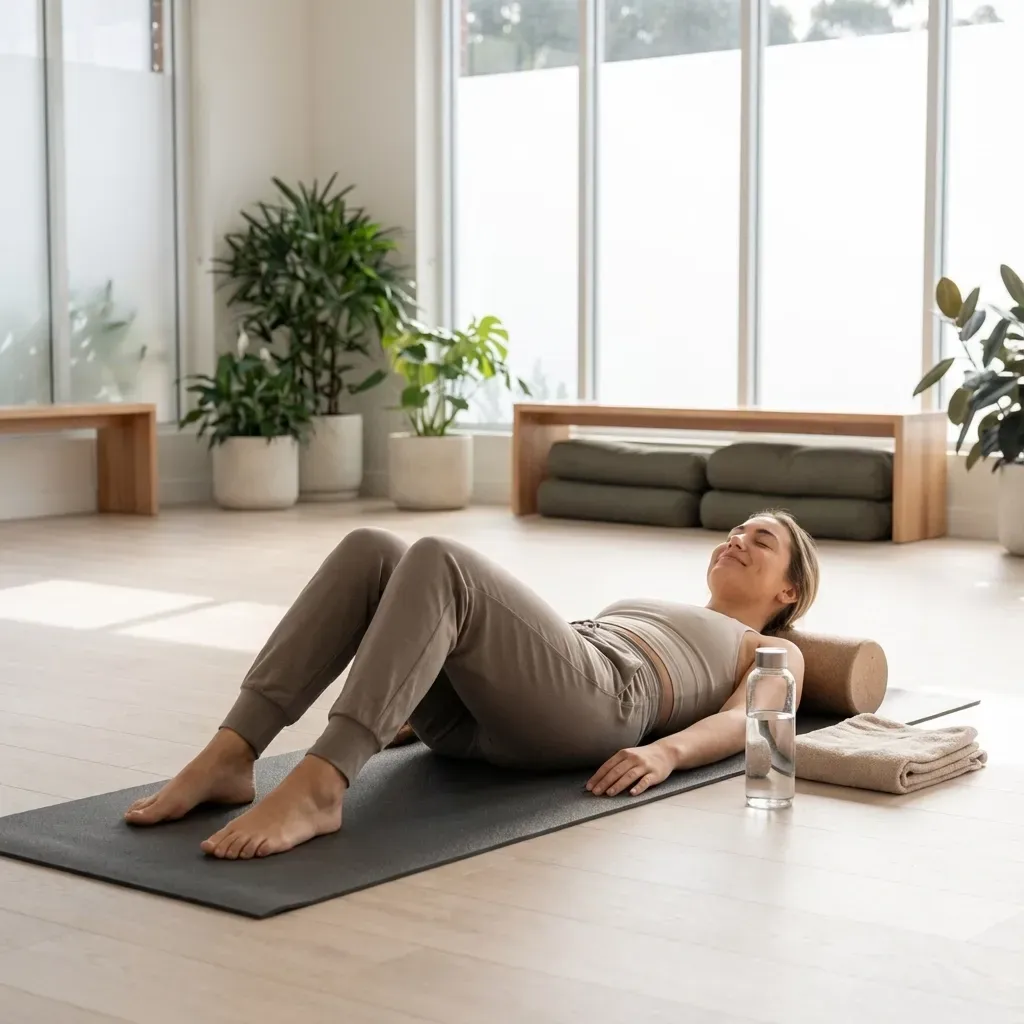
Recovery Isn't Optional (It's Strategic)
Here's what many people get wrong: they think more is always better. But your muscles grow and your fitness improves during recovery, not during the workout itself.
Recovery Non-Negotiables:
- 7-9 hours of sleep (this isn't lazy – it's performance optimization)
- At least one complete rest day per week
- Proper hydration throughout the day
- Light movement on rest days (walking, gentle stretching)
When you prioritize recovery, your workouts become more effective, and you reduce injury risk dramatically.
Track Progress Beyond the Scale
The scale is a liar. It doesn't tell you about the muscle you're building, the energy you're gaining, or the confidence you're developing.
Better Ways to Measure Success:
✅ How you feel climbing stairs
✅ Your energy levels throughout the day
✅ How well you sleep
✅ Your mood and stress levels
✅ Workout performance improvements
✅ How your clothes fit
Keep a simple log – even just notes in your phone – of these victories. When motivation dips (and it will), these reminders keep you going.
Build Your Accountability System
Going it alone is tough. Even the most motivated people benefit from accountability.
Your Support Options:
- Workout buddy or fitness partner
- Group fitness classes for built-in community
- Regular check-ins with a trainer or coach
- Fitness tracking apps with social features
- Family members who support your goals
Our small group training sessions are particularly effective because you get professional guidance plus the motivation that comes from working alongside others with similar goals. There's something powerful about sweating alongside people who are cheering for your success.
When Life Gets Messy (And It Will)
Perfect consistency is a myth. Life happens – work gets crazy, kids get sick, travel disrupts routines.
Your Flexibility Plan:
- Have 15-minute home workouts ready
- Know which exercises you can do anywhere
- Develop a "minimum effective dose" mindset
- Focus on getting back on track, not on being perfect
Missing one workout doesn't derail your progress. Missing a week straight might. The key is bouncing back quickly without guilt or shame.
The Community Advantage
Fitness is more fun and more sustainable when you're not doing it alone. Whether that's joining group classes, finding workout partners, or working with coaches who understand your goals, community support makes a massive difference.
At EA Fitness & Performance, we've seen countless people transform their relationship with fitness not just through better programming, but through the connections they make and the support they receive.
Building sustainable fitness habits isn't about willpower – it's about smart planning, realistic expectations, and finding what works for your unique life. Start where you are. Use what you have. Do what you can.
Your January routine doesn't have to be perfect. It just has to be consistent enough to carry you into February, March, and beyond.
Ready to build something that lasts? Your future self is already thanking you for starting today.
recent posts