January Nutrition Reset: How to Keep Your Eating Habits on Track After the Holidays
Hey there! 👋
Let's be real for a second... the holidays happened. And if you're like most of us here in Portland, Maine, you probably enjoyed a few (or more) extra helpings of everything delicious that came your way.
Now it's January, and you're staring at your jeans wondering if they shrunk in the wash. Spoiler alert: they didn't.
But here's the thing – you're not broken, and you don't need to punish yourself with some crazy restrictive diet. What you need is a gentle, sustainable reset that actually works with your life, not against it.
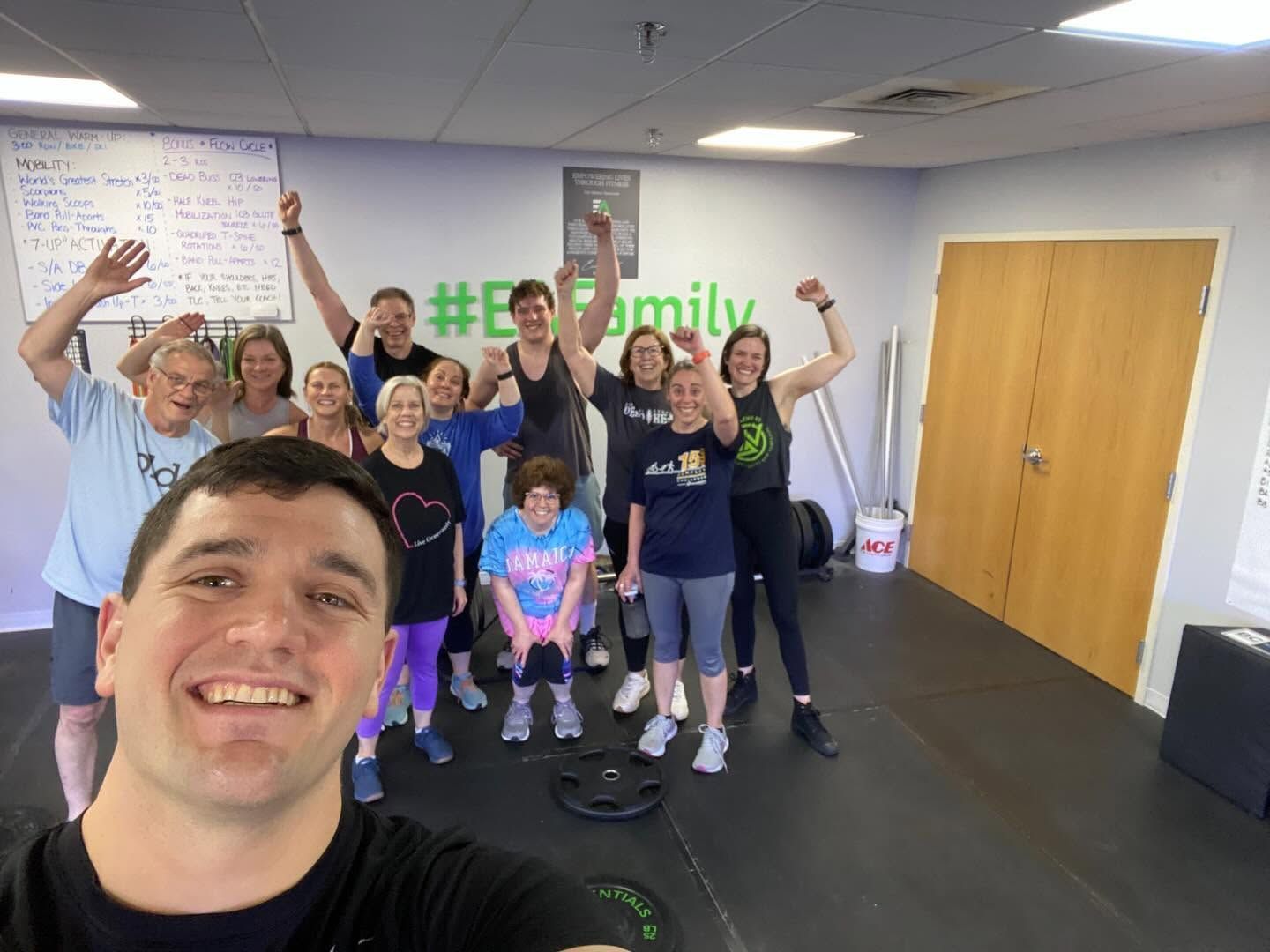
At EA Fitness & Performance, we've helped hundreds of people navigate this exact situation. And today, I'm sharing the same strategies we use with our clients to get back on track without the drama.
Why January Actually IS the Perfect Time to Reset
I know, I know. Everyone talks about "New Year, New You" and it can feel a bit cliché. But here's why January really does work in your favor:
Your body is ready for it. After weeks of irregular eating patterns, extra sugar, and larger portions, your system is actually craving the stability that comes with consistent, nourishing meals.
Plus, there's something powerful about fresh starts. It's not just in your head – research shows that temporal landmarks (like the beginning of a new year) genuinely help us break old patterns and establish new ones.
The key? Don't think "diet." Think "reset."

The EA Fitness Approach: Keep It Simple, Keep It Sustainable
Here at EA Fitness & Performance, we've learned that the best nutrition reset isn't about restriction – it's about restoration. Here are the core principles we teach our clients:
Focus on Addition, Not Subtraction
Instead of obsessing over what you can't eat, focus on adding good stuff to your plate. This mental shift changes everything.
Add more:
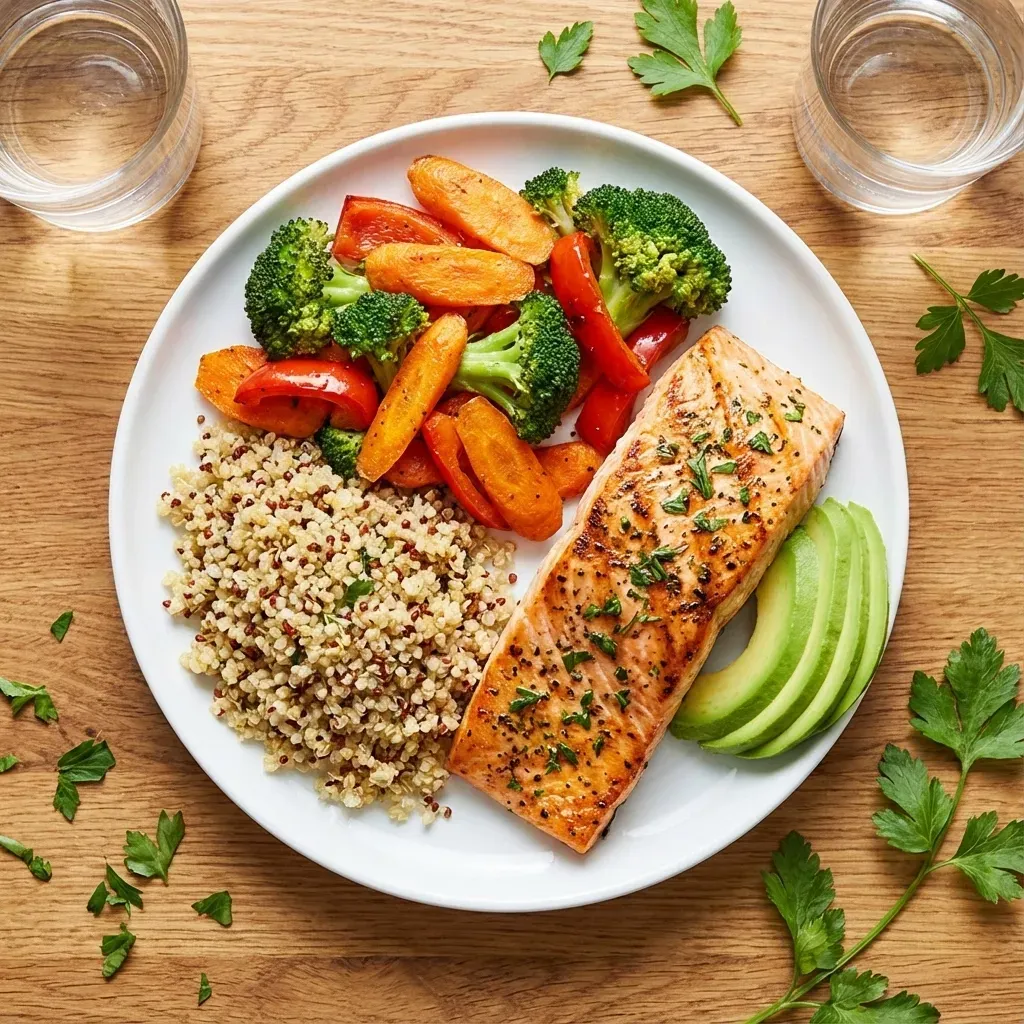
- Colorful vegetables (aim for half your plate)
- Lean proteins that keep you satisfied
- Healthy fats like avocado, nuts, and olive oil
- Fiber-rich foods that support digestion
When you focus on crowding out the less-than-ideal choices with nutritious ones, you naturally start eating better without feeling deprived.
The "One Plate" Rule
This is one of my favorite strategies to share with clients. When you sit down to eat, ask yourself: "Can I make this meal work on one normal-sized plate?"
This automatically helps with portion control without the need to measure, weigh, or count anything. Your plate becomes your guide:
- ¼ lean protein
- ¼ whole grains or starchy vegetables
- ½ non-starchy vegetables
- A thumb-sized portion of healthy fat
Simple. Sustainable. Effective.
Hydration is Your Secret Weapon
I can't tell you how many clients come to us feeling sluggish and bloated, only to discover they're just chronically dehydrated. After the holidays (hello, extra cocktails and salty snacks), your body needs to rebalance.
Your hydration reset:
- Start each day with a large glass of water
- Drink water before you reach for other beverages
- Add lemon, cucumber, or mint if plain water feels boring
- Aim for pale yellow urine (I know, TMI, but it's the best indicator!)
Meal Prep Without the Overwhelm
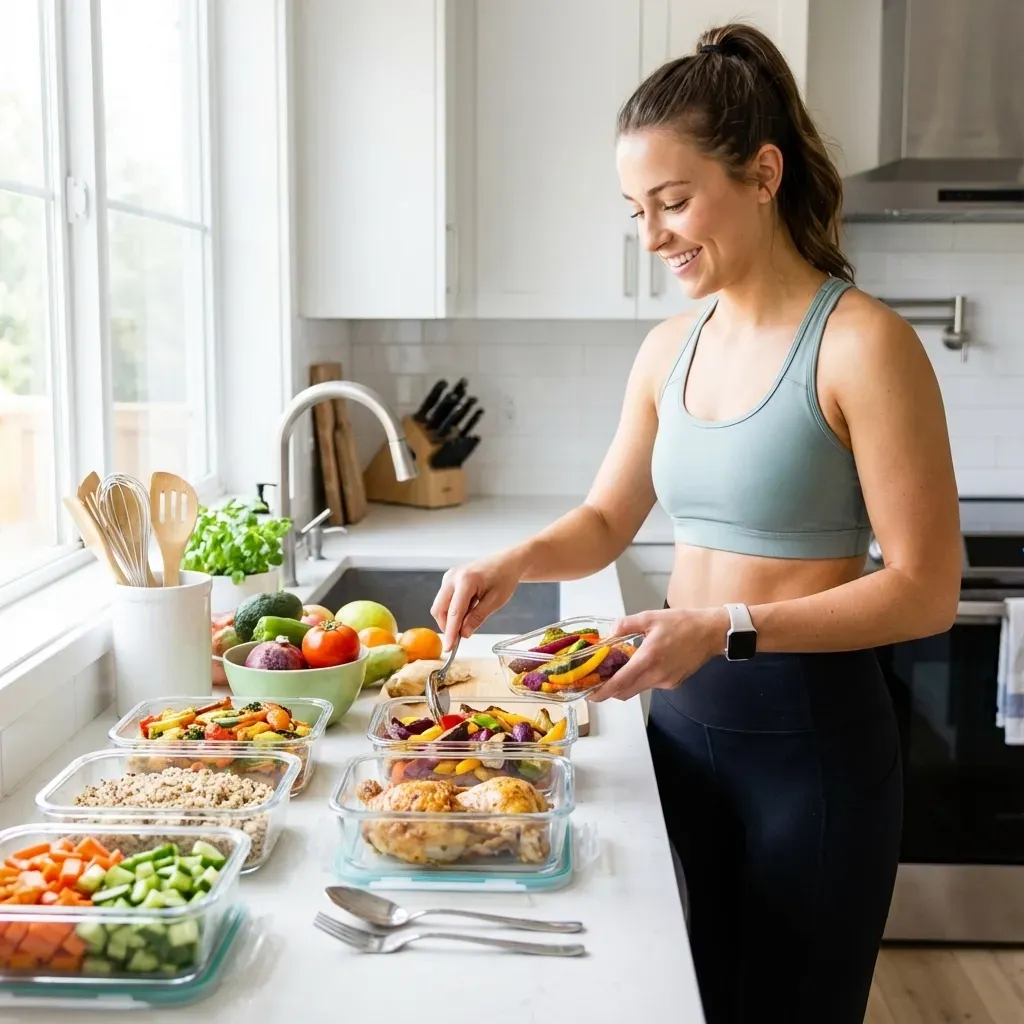
Let's talk meal prep. I know it sounds intimidating, but it doesn't have to be one of those Instagram-worthy, color-coordinated container situations.
The "Batch and Mix" Method
Instead of preparing complete meals, prepare components you can mix and match:
Sunday prep (30-45 minutes):
- Cook a big batch of protein (grilled chicken, baked salmon, or roasted chickpeas)
- Roast a sheet pan of vegetables
- Prepare a grain like quinoa or brown rice
- Wash and chop fresh vegetables
Throughout the week, you can combine these components differently to keep things interesting.
Emergency Meal Kit
Life gets busy, and sometimes meal prep doesn't happen. Keep these staples on hand for quick, nutritious meals:
- Pre-cooked rotisserie chicken
- Bagged salad mixes
- Frozen vegetables
- Canned beans
- Avocados
- Greek yogurt
- Nuts and seeds
With these ingredients, you can throw together a satisfying meal in under 10 minutes.
Daily Habits That Make All the Difference
Small, consistent actions beat dramatic overhauls every time. Here are the daily habits that our most successful clients swear by:
The Morning Foundation
Start your day with intention:
- Drink water first thing (before coffee!)
- Include protein at breakfast to stabilize blood sugar
- Take 5 minutes to plan your day's meals
The 3-2-1 Rule
3 hours before bed: no more large meals
2 hours before bed: no more food
1 hour before bed: no more liquids (to avoid sleep disruption)
This simple rule helps your body transition into recovery mode and improves sleep quality.
Listen to Your Body
This might sound obvious, but most of us have lost touch with our hunger and fullness cues. Practice checking in with yourself:
- Am I actually hungry, or am I bored/stressed/tired?
- How does this food make me feel 30 minutes after eating?
- Am I eating fast or slow?
Common January Reset Mistakes (And How to Avoid Them)
After working with clients for years, I've seen these mistakes over and over again:
Mistake #1: Going Too Hard, Too Fast
You know that person who goes from holiday cookies to only eating kale? Don't be that person. Extreme changes lead to extreme rebounds.
Instead: Make one or two small changes each week. Maybe week one is adding vegetables to every meal. Week two is drinking more water. Small wins build momentum.
Mistake #2: All-or-Nothing Thinking
One "off" meal doesn't ruin everything. I see clients throw away an entire day (or week!) because they had pizza for lunch.
Instead: Think of it like a bank account. One withdrawal doesn't mean you're broke. Just make your next choice a deposit.
Mistake #3: Ignoring Your Social Life
Food is social. If your eating plan doesn't account for dinner with friends or family gatherings, it won't work long-term.
Instead: Plan ahead. Eat something small before going out so you're not starving. Focus on enjoying the company more than the food.
Sample Day: What This Actually Looks Like
Here's what a realistic January reset day might look like:
- Morning (7:00 AM):
Large glass of water, then coffee with a splash of milk. Breakfast might be Greek yogurt with berries and a handful of nuts, or eggs with spinach and avocado toast. - Mid-Morning (10:00 AM):
If you're hungry, maybe an apple with almond butter. If not, just more water. - Lunch (12:30 PM):
A big salad with leftover protein from meal prep, or a simple sandwich with turkey, avocado, and plenty of vegetables. - Afternoon (3:00 PM):
Handful of nuts, or veggies with hummus if you need something. - Dinner (6:30 PM):
Something simple – maybe baked salmon with roasted sweet potato and steamed broccoli, or a stir-fry with whatever vegetables you have on hand. - Evening (8:00 PM):
Herbal tea and maybe a small piece of dark chocolate if you're craving something sweet. - See? Nothing crazy. Nothing complicated. Just real food that tastes good and makes you feel good.
When to Ask for Help
Sometimes you need more than blog advice. If you're struggling with:
- Emotional eating patterns
- Constant cravings despite eating well
- Digestive issues
- Feeling overwhelmed by conflicting nutrition information
Consider working with one of our nutrition professionals at EA Fitness & Performance. We can help you create a personalized plan that fits your lifestyle, preferences, and goals.
Your January Reset Action Plan
Ready to get started? Here's your simple first week:
Day 1-2: Focus on hydration. Drink water first thing in the morning and before every meal.
Day 3-4: Add vegetables to every meal, even if it's just throwing spinach in your eggs or adding cucumber to your sandwich.
Day 5-7: Plan and prep one meal component for the week ahead.
That's it. Don't try to change everything at once. Just focus on these basics, and you'll be amazed at how much better you feel.
Remember, this isn't about perfection – it's about progress. Every small choice you make is moving you in the right direction.
You've got this! And if you need support along the way, we're here to help.
Here's to a healthy, energetic, and balanced January! 💪
Want more personalized nutrition guidance? Our team at EA Fitness & Performance works with clients throughout Portland, Maine to create sustainable eating habits that actually fit into real life. Get in touch to learn more about our approach.
recent posts