Stop Wasting Time on Holiday Fitness Excuses: Try These 7 Quick Community-Based Workouts
December hits different, doesn't it? Between cookie exchanges, shopping marathons, and family gatherings, your usual fitness routine probably feels like a distant memory. But here's the thing – you don't need to choose between staying connected with your community and maintaining your health.
The holidays are actually the perfect time to try something new: community-based workouts that bring people together while keeping everyone active. No more solo gym sessions that you keep skipping. No more guilt about missing workouts because you chose family time instead.
Let's flip the script on holiday fitness. These 7 quick community workouts will help you stay strong, energized, and connected – all at the same time.

1. Neighborhood Walking Groups with Fitness Stops
Transform your regular walk into a community fitness adventure. Gather 3-5 neighbors for a 20-30 minute walk around your area, but here's the twist – make planned stops every few blocks for quick exercises.
How it works:
- Meet at the same time 3 times per week
- Walk for 3-5 minutes, then stop for 1 minute of bodyweight exercises
- Rotate who chooses the exercise (jumping jacks, squats, push-ups against a park bench)
- End with light stretching in someone's driveway
This format keeps everyone accountable while building genuine connections with people right in your
2. Family HIIT Challenge Circuits
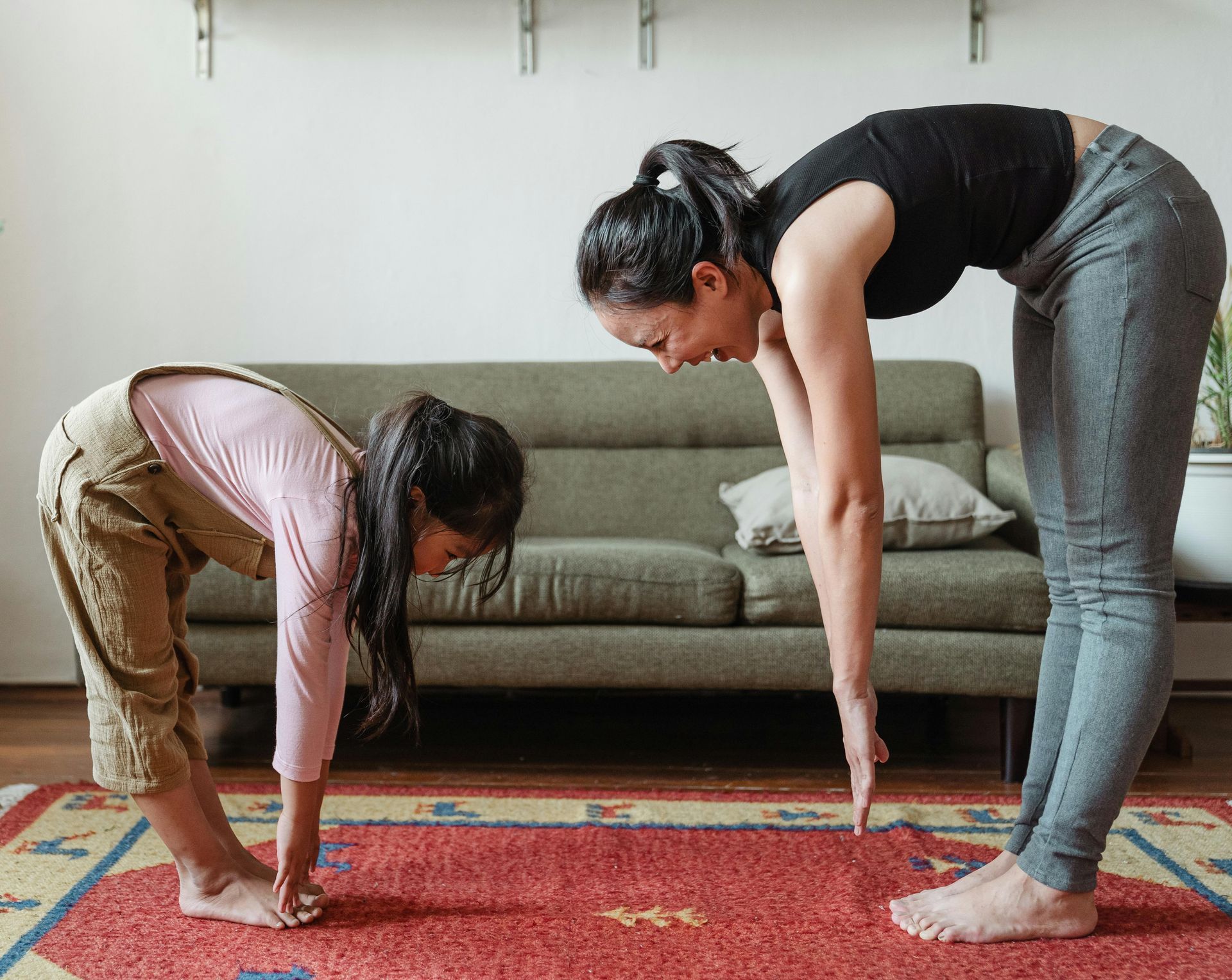
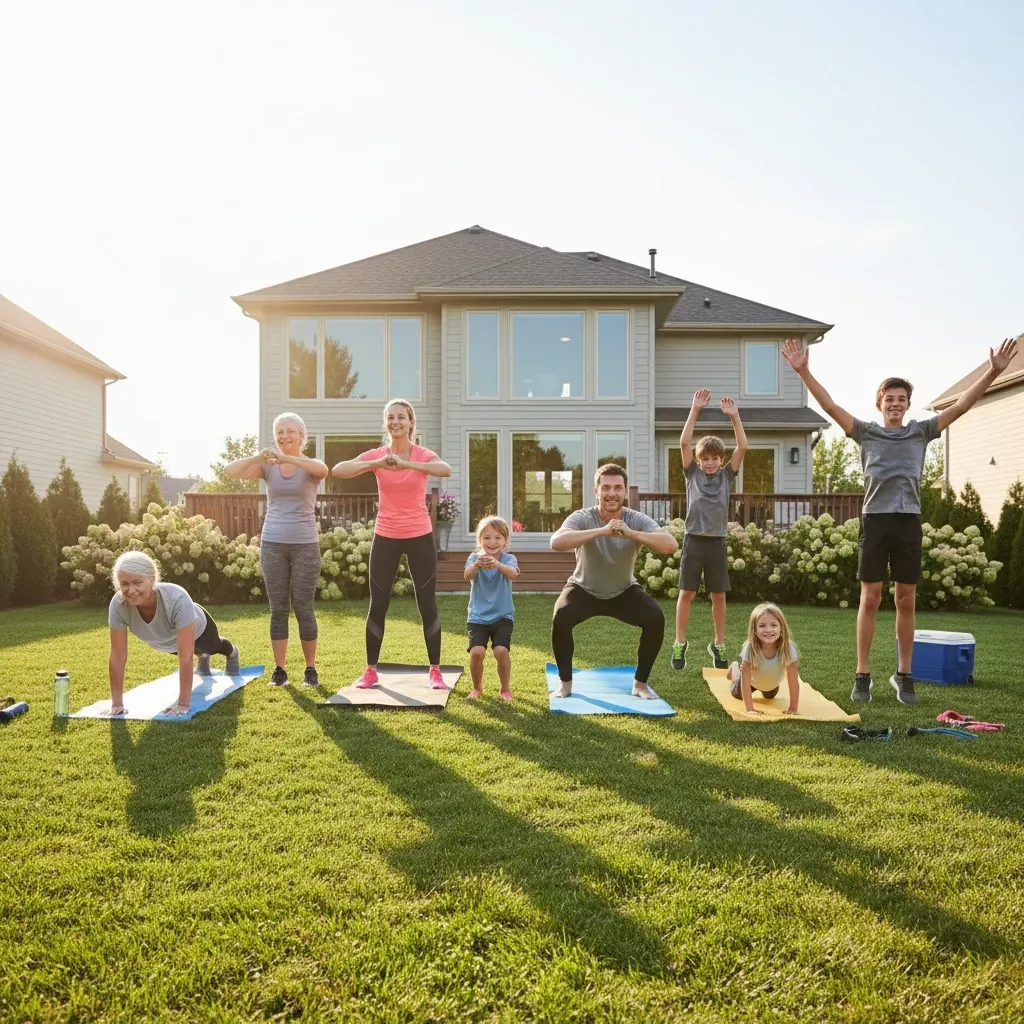
Turn your family gatherings into friendly fitness competitions. High-Intensity Interval Training doesn't have to happen in a gym – your living room, backyard, or local park works perfectly.
The setup:
- Create 4-5 exercise stations (burpees, mountain climbers, squat jumps, push-ups)
- Everyone works for 20 seconds, rests for 10 seconds
- Rotate through all stations twice (total time: about 8 minutes)
- Keep score for friendly competition
Kids love the competitive aspect, adults get an effective workout, and everyone bonds over the shared challenge. You'll be surprised how competitive Uncle Bob gets about his plank hold time!

3. Holiday Prep Power Sessions
Why not multitask your holiday preparations with fitness? Gather friends or family members for 15-minute power sessions while you're decorating or cooking together.
Make it work:
- Do calf raises while stirring cookie dough
- Challenge everyone to hold a wall sit during commercial breaks
- Turn ornament hanging into a squat competition (squat down to pick up each ornament)
- Do lunges across the living room while placing gifts under the tree
This approach eliminates the "I don't have time" excuse because you're already doing the holiday tasks anyway. You're just adding movement to activities you were going to do regardless.
4. Community Tabata Meetups
Tabata training packs a serious punch in just 4 minutes – perfect for busy holiday schedules. When you do it with others, those 4 minutes become way more fun and way less likely to get skipped.
The format:
- Choose 2 exercises (like jumping jacks and bodyweight squats)
- 20 seconds maximum effort, 10 seconds rest
- Alternate between exercises for 8 rounds total
- Meet in someone's garage, a local park, or even virtually
The beauty of Tabata? Even your busiest friends can commit to 4 minutes. Schedule these sessions right after work or before weekend holiday events when everyone's already gathering.
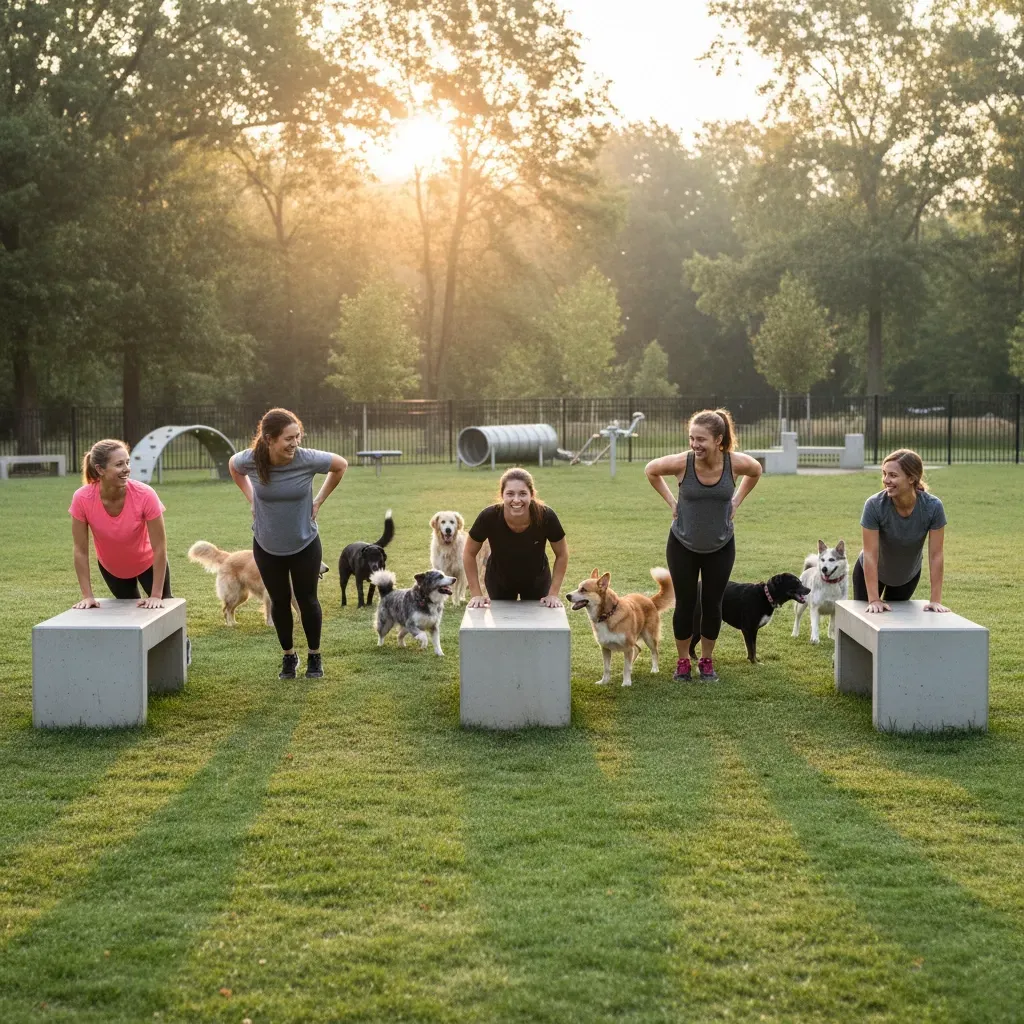
5. Dog Park Fitness Groups
If you're a dog owner, you're already spending time at the dog park anyway. Why not turn that into a community workout opportunity?
Here's how:
- Connect with other regular dog park visitors
- While dogs play, humans do bodyweight circuits
- 10 minutes of alternating exercises: lunges, push-ups (using park benches), wall sits, jumping jacks
- Dogs get socialization, humans get fitness, everyone wins
This works especially well because you're already committed to being there for your dog's exercise needs. You're just maximizing the time for your own health too.
6. Shopping Mall Power Walks with Strength Breaks
Holiday shopping doesn't have to derail your fitness goals. Organize mall walking groups that incorporate strength exercises between stores.
Make it effective:
- Meet early when malls are less crowded
- Power walk for 10 minutes between designated meeting spots
- Stop for 2 minutes of exercises: incline push-ups against mall benches, calf raises, wall sits
- Complete your shopping list while getting your workout done
You'll knock out your gift shopping AND your cardio in one efficient trip. Plus, you'll have built-in accountability partners for both fitness and staying on budget!


7. Virtual Workout Watch Parties
Can't meet in person? No problem. Technology makes it easy to maintain community connections while working out from different locations.
Set it up:
- Choose a 15-20 minute workout video everyone can do at home
- Start a video call and press play simultaneously
- Encourage each other throughout the session
- Share post-workout victories and challenges
This option works perfectly for busy parents, people with unpredictable schedules, or when weather doesn't cooperate. You still get the motivation and accountability of working out with others, just from the comfort of your own space.
Making It Actually Happen
Now, let's be real about implementation. Community workouts only work if they actually... you know... happen. Here's how to set yourself up for success:
- Start small. Don't commit to daily sessions right out of the gate. Try 2-3 times per week maximum.
- Pick consistent times. Whether it's Tuesday/Thursday at 6 PM or Saturday mornings at 9 AM, consistency helps everyone plan around it.
- Have a backup plan. What happens when it rains? When someone's kid gets sick? Always have a Plan B ready.
- Rotate leadership. Don't put all the organizational burden on one person. Take turns planning and leading different sessions.
- Communicate clearly.
Use group texts, Facebook groups, or whatever communication method works best for your group to stay connected and confirm plans.
The Real Benefits Go Beyond Fitness
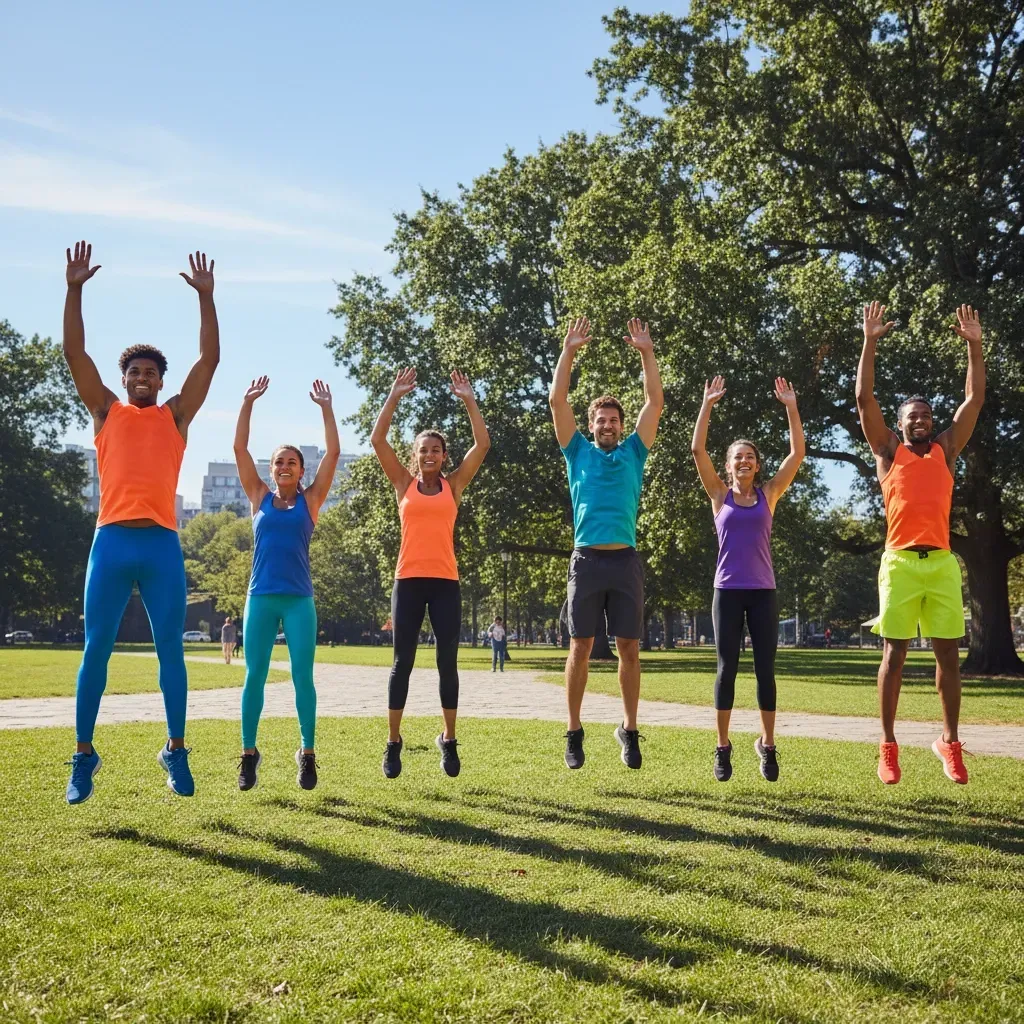
Here's what happens when you commit to community-based holiday workouts: you'll discover that the physical benefits are just the beginning.
- Accountability multiplies. When Sarah's counting on you to show up for your morning walk, you're less likely to hit snooze.
- Stress decreases. Exercise releases endorphins, but exercising with friends amplifies the mood boost.
- Relationships strengthen. There's something special about sweating together that builds genuine connections.
- Holiday guilt disappears. You're taking care of your health AND nurturing relationships simultaneously.
- Energy increases. Instead of dragging through December, you'll have more energy for all those holiday activities you actually want to enjoy.
Your December Fitness Game Plan
Stop overthinking this. Pick ONE of these community workout options and try it this week. Start with whichever one feels most doable given your current schedule and social circle.
Text three people right now. Seriously, do it now. Ask if they want to try one 20-minute community workout session this week. Pick a specific day, time, and location.
The holidays don't have to be a fitness black hole. They can actually be the time when you discover a more sustainable, enjoyable approach to staying healthy – one that prioritizes both your physical health and your relationships.
Your future self will thank you for choosing both community AND fitness instead of treating them like competing priorities. Because they're not competing. They're complimentary.
Ready to stop making excuses and start making connections? Your community is waiting.
recent posts