Fitness & Strength Training Blog
blogs
Expert Fitness, Strength & Wellness Advice for a Stronger, Healthier You

Whole Foods, Real Results You know you should probably eat more whole foods. But then life happens. Work runs late. The kids need dinner. You’re hungry, tired, and standing in the kitchen wondering what can be ready in five minutes. Reaching for something packaged or ordering takeout doesn’t make you lazy. It makes you human. Still, if your goals include losing weight, improving your health, and feeling stronger after 40, the quality of your food matters more than you may realize. Not because any single food is “good” or “bad.” And not because you need to follow a perfect meal plan. Whole foods simply give your body more of what it needs: and make it easier to feel satisfied without constantly counting calories. So, what exactly are whole foods? And how can you eat more of them when your schedule is already full? Let’s break it down. 🥦 What Are Whole Foods? Whole foods are foods that are close to their natural state and haven’t been heavily altered. That includes: Vegetables Fruit Meat and poultry Fish and seafood Eggs Dairy products such as Greek yogurt and cottage cheese Nuts and seeds Beans, peas, and lentils Whole grains such as oats, brown rice, quinoa, and barley Some foods are processed without being a problem. Frozen vegetables, canned beans, plain yogurt, and pre-cut produce can all support a healthy diet. The bigger concern is highly processed food that has been significantly changed and engineered to be extremely easy to overeat. These foods often combine refined carbohydrates, added sugar, salt, fat, and strong flavors in a way that keeps you reaching for “just one more.” Stop. This isn’t about guilt. It’s about understanding what makes your choices easier or harder. Whole foods tend to come with more fiber, water, protein, and nutrients. Highly processed foods often deliver a lot of calories quickly without creating the same level of fullness. That difference matters. Why Whole Foods Can Help With Weight Loss Weight loss is not just about willpower. Your food choices influence hunger, fullness, energy, and how easy it is to stay consistent. Whole foods support these areas in several important ways. 1. They help you feel fuller Vegetables, fruit, legumes, and whole grains contain fiber. Fiber adds bulk to your meals and slows digestion, which can help you stay satisfied longer. Protein has a similar advantage. Chicken, fish, eggs, Greek yogurt, lean meat, beans, and lentils can help you feel more satisfied after eating while also supporting muscle. When you build a meal around protein and fiber, you’re less likely to find yourself searching the pantry an hour later. 2. They’re often lower in calorie density Calorie density refers to how many calories a food contains in a given amount of weight or volume. Vegetables and fruit contain a lot of water and fiber, so you can often enjoy a generous portion for relatively few calories. Compare that with a small handful of highly processed snacks that may contain many calories without filling you up. This is one reason a plate full of vegetables, protein, and a whole-food carbohydrate can support weight loss without leaving you feeling deprived. You get more volume. More chewing. More satisfaction. And usually, fewer calories without needing to measure every bite. 3. They provide more protein per meal As you get older, preserving muscle becomes increasingly important. Muscle supports strength, balance, independence, metabolism, and your ability to stay active. Weight loss that comes primarily from muscle is not the goal. Adequate protein, combined with resistance training, can help you preserve lean muscle while losing body fat. That’s why we encourage you to include a protein source at every meal. Try: Eggs with vegetables at breakfast Greek yogurt with berries and nuts Chicken or fish at lunch Lean meat, beans, or lentils at dinner Cottage cheese or a simple protein-rich snack when needed Your body needs the building blocks. Give it some. 4. They’re less likely to trigger mindless eating Many highly processed foods are designed to be convenient, intensely flavorful, and easy to eat quickly. That doesn’t mean you can never enjoy them. It does mean they may be harder to eat casually and stop when you’re satisfied. Whole foods usually require more chewing and take longer to eat. A bowl of berries, yogurt, and nuts feels different from eating a sweet snack straight from a large package. Over time, these small differences can make it easier to manage portions naturally. Whole Foods Support More Than the Number on the Scale Weight loss may be your first goal, but it shouldn’t be your only measure of progress. A whole-food eating pattern can support several areas of health that become especially important in your 40s, 50s, and beyond. More stable blood sugar Meals built around protein, fiber, and minimally processed carbohydrates are generally digested more slowly than meals dominated by refined carbohydrates and added sugar. That can support steadier energy and help reduce the cycle of a quick boost followed by a crash. Healthier cholesterol and blood pressure Vegetables, fruit, legumes, whole grains, nuts, seeds, fish, and other nutrient-dense foods can contribute to a heart-supportive eating pattern. Fiber may help support healthy cholesterol levels. Eating more whole foods can also make it easier to reduce excess sodium, added sugar, and heavily processed fats. Better digestion Fiber supports regular digestion and feeds beneficial bacteria in your gut. If you currently eat very little fiber, increase it gradually and drink enough water. Your body may need time to adjust. More consistent energy Have you ever eaten lunch and felt exhausted soon afterward? A meal with protein, vegetables, and a satisfying whole-food carbohydrate may help you feel fueled without the same heavy, sluggish feeling that often follows a highly processed meal. Better sleep and recovery Food isn’t a magic sleep cure. But regular meals, adequate protein, enough fiber, and a balanced intake of nutrients can support your overall recovery routine. Better recovery helps you train consistently. Consistent training helps you build strength. It all connects. Support for joints and active living A diet rich in vegetables, fruit, fish, nuts, seeds, and other nutrient-dense foods can help support overall health and a healthy inflammatory response. That matters when you want to keep walking, lifting, gardening, playing with your kids or grandchildren, and doing the activities you enjoy. The Practical Challenge: Whole Foods Take Planning Here’s the honest truth: processed food is convenient. It’s packaged. It’s ready to eat. It’s everywhere. Whole foods often take a little more thought. You may need to shop, wash, chop, cook, or assemble. That can feel like a lot when you’re already busy. But you don’t need a perfect meal-prep routine. You need a few reliable systems. Start with these simple habits: ✅ Build meals around protein first. Ask, “What’s my protein?” before deciding on the rest of the meal. ✅ Aim for protein at every meal. This can be eggs, fish, chicken, lean meat, Greek yogurt, cottage cheese, beans, lentils, or another option you enjoy. ✅ Fill about half your plate with vegetables. Fresh, frozen, roasted, sautéed, or steamed all count. Choose the format you’re most likely to eat. ✅ Prep one or two things on Sunday. You don’t need to cook twelve meals. Try preparing hard-boiled eggs, roasted vegetables, cooked grains, or a batch of chicken. ✅ Keep easy whole-food options available. Convenience matters. Stock your kitchen with: Hard-boiled eggs Rotisserie chicken Pre-cut vegetables Plain Greek yogurt Berries Nuts Canned tuna or salmon Frozen vegetables Beans and lentils Oats ✅ Read the ingredient label. You don’t need to understand every nutrition claim on the front of a package. Look at the ingredient list. If it’s extremely long and filled with ingredients you don’t recognize, consider whether a simpler option would work. ✅ Use the 80/20 approach. Let whole foods make up most of your diet. Enjoy other foods without guilt the rest of the time. That’s not failure. That’s balance. A Simple Whole-Food Day What could this look like in real life? Breakfast: Eggs with spinach and whole-grain toast, plus berries. Lunch: A chicken and vegetable bowl with brown rice, beans, salsa, and avocado. Snack: Greek yogurt with berries and a small handful of nuts. Dinner: Salmon, roasted vegetables, and potatoes or quinoa. Dessert or treat: Something you genuinely enjoy. No complicated rules. No elimination list. No starting over on Monday. Just meals that provide protein, fiber, nutrients, and satisfaction. You Don’t Have to Eliminate Everything Let’s be clear: no single food determines your health. You don’t need to eliminate bread, pasta, dessert, dairy, or your favorite family meals. You don’t need to label yourself as “perfect” or “off track.” Instead, focus on crowding in better options. Add vegetables to lunch. Put protein in your breakfast. Choose fruit when you want something sweet. Keep easy ingredients ready so you’re not making every decision while hungry. The goal is not restriction. It’s creating a food environment that makes your goals easier to support. Pair Nutrition With Personalized Training Nutrition and exercise work best together. Eating more whole foods can support your energy, recovery, and body-composition goals. Personalized training can help you build strength, improve movement, and preserve muscle as you age. At EA Fitness & Performance , our certified nutrition coaches help you build sustainable habits: not crash diets or overly restrictive plans. Nutrition coaching can also be paired with personalized training , so your food and workouts support the same goals. You don’t have to figure everything out alone. A coach can help you turn general advice into practical choices for your schedule, preferences, health needs, and goals. Learn more about nutrition coaching at EA Fitness & Performance . Your Next Step Don’t try to rebuild your entire diet overnight. Start with one meal. At your next breakfast, add protein. At lunch, include a vegetable. At dinner, swap one highly processed side for a whole-food option. Small choices become routines. Routines become results. And results don’t come from being perfect. They come from consistently giving your body the support it needs. You can do this: one meal, one choice, and one day at a time. 💪 Evan Amell Owner, EA Fitness & Performance
More Than a Number: Why Meaningful Goals Are the Difference Between Starting and Succeeding

Whole Foods, Real Results: Why What You Eat Matters More Than You Think

Why AI Can't Replace In-Person Personal Training (And What It Can Actually Teach Us)
The body content of your post goes here. To edit this text, click on it and delete this default text and start typing your own or paste your own from a different source.

New Title

The Reticular Activating System: The Brain Hack That Can Change Your Fitness Journey Have you ever bought a new car and then suddenly noticed that same make and model everywhere? It probably didn’t appear overnight. You simply started noticing it. That’s your brain at work. A similar process can happen when you set a clear fitness goal. Suddenly, you may notice the extra time in your schedule, the healthier choice at lunch, the opportunity to take a walk, or the strength you didn’t realize you still had. This is where the reticular activating system , or RAS , comes in. And no, it’s not a magic switch that guarantees results. But understanding how your brain filters information can help you change what you notice, what you focus on, and how you respond throughout your fitness journey. Especially after 40. Because if you feel stuck, unmotivated, or frustrated that you’ve “failed” at fitness before, you’re not alone. Your challenge may not be a lack of willpower. You may simply need a clearer target and better support around you. Let’s talk about how to create both. 🧠 What Is the Reticular Activation System? In simple terms, the RAS is part of your brain’s attention and alertness network. It helps regulate wakefulness and plays a role in deciding which information deserves your attention. Your brain receives an overwhelming amount of sensory input every moment: sounds, sights, conversations, movement, thoughts, and signals from your body. You can’t consciously process all of it. So your brain uses filters. The RAS helps determine what gets brought forward and what fades into the background. Think of it like a security guard at the entrance of a very busy building. Thousands of people may be trying to enter, but only certain information gets waved through as important. Your goals, beliefs, habits, and surroundings influence what your brain treats as important. That’s why you notice your new car everywhere. And it’s why a clearly defined fitness goal can change your awareness. If your goal is simply “get in shape,” that target may be too vague. Your brain doesn’t have enough direction. But if your goal is: > “I will complete three strength workouts each week for the next eight weeks so I can feel stronger carrying groceries and playing with my grandchildren,” you’ve given your brain something specific to look for. Now what about you? What would your brain notice if your goal were clear enough? Why You May Be Missing Fitness Opportunities Many people don’t struggle because fitness opportunities don’t exist. They struggle because those opportunities aren’t being filtered as important. You may walk past the gym without considering it. You may have a free 30-minute window but spend it scrolling because movement wasn’t part of your mental priority list. You may feel tired and automatically assume that means you can’t train. Your brain often follows the story you repeat. If you tell yourself: “I’m too old to get strong.” “I never stick with anything.” “I don’t have enough time.” “My body just doesn’t respond anymore.” “I’ve already failed too many times.” your attention may begin collecting evidence to support those statements. Stop. That doesn’t mean your challenges aren’t real. Work, family responsibilities, old injuries, stress, and changing recovery needs can all make fitness more complicated after 40. But your current circumstances don’t have to become your permanent identity. A more useful statement might be: > “I’m learning how to train in a way that fits my body and my life now.” That shift matters. Your goal isn’t to pretend everything is easy. Your goal is to help your brain notice the next useful step. How to Program Your RAS for a Better Fitness Journey You can’t flip a switch and rewire your brain in one afternoon. But you can repeatedly direct your attention. Over time, that makes fitness-related choices, cues, and opportunities easier to recognize. Here are five practical ways to get started. 1. Write a specific goal “Get healthier” is a meaningful desire, but it’s not a clear target. Make it more specific. Try answering: What do you want to improve? How often will you take action? When will you begin? Why does this matter to you? How will you know you’re making progress? For example: > “I will complete two small group training sessions and one walk each week for the next month so I can improve my strength, energy, and confidence.” That goal gives your brain clear signals. You may begin noticing available class times, open spaces in your schedule, comfortable walking routes, or small choices that support your plan. Write it down. Keep it visible. Review it regularly. Your brain needs a target. 2. Visualize the process: not just the outcome Visualization works best when it helps you mentally rehearse the steps you need to take. Don’t only imagine a future version of yourself. Picture what happens today. Spend 30 to 60 seconds imagining: Putting on your workout clothes Walking into your training session Completing your warm-up Performing each exercise with good form Asking your coach for help when you need it Finishing the workout feeling proud that you showed up This makes the process more familiar. And when something feels familiar, it often feels more approachable. You don’t have to visualize a perfect workout. You only need to picture yourself beginning. 3. Use positive statements that feel believable Affirmations aren’t magic spells. They work best as reminders that direct your attention toward the person you’re becoming and the actions you’re willing to take. Try statements such as: “I am capable of getting stronger at my current age.” “I keep promises to myself through small, consistent actions.” “I notice opportunities to move throughout my day.” “I can train intelligently without needing to punish myself.” “Progress matters more than perfection.” Choose one that feels encouraging but believable. Then connect it to an action. Say, “I’m someone who takes care of my body,” while filling your water bottle or putting your gym bag by the door. The statement becomes more powerful when your behavior supports it. 4. Focus on progress instead of perfection Your brain will notice what you repeatedly measure. If you only measure body weight or appearance, you may overlook important wins. What else could count as progress? ✅ You lifted a little more than last month. ✅ You moved with less stiffness. ✅ You recovered well after training. ✅ You made a balanced meal during a busy week. ✅ You attended your session even though motivation was low. ✅ You felt more confident using an exercise that once intimidated you. Fitness after 40 should not be a daily test of how much discomfort you can tolerate. It should help you build strength, confidence, mobility, energy, and trust in your body. Look for those wins. Your brain will begin looking for more of them. 5. Surround yourself with helpful cues Your environment is always sending your brain messages. Make the healthy choice easier to notice and easier to begin. Try these simple changes: Put your gym clothes out the night before. Keep your training shoes where you’ll see them. Set a calendar reminder for your workout. Keep a water bottle on your desk. Place nourishing foods where they’re easy to reach. Write your weekly training schedule somewhere visible. Spend time with people who support your goals. Work with a coach who helps you stay accountable. This is one reason community matters so much. When you’re surrounded by people who are working toward their own goals, fitness becomes part of your normal environment: not something you have to force yourself to remember. At EA Fitness & Performance , personal attention and community work together. Your coach can help you create a plan that fits your experience, schedule, limitations, and goals. Our small group training sessions add structure, encouragement, and connection. You don’t have to do this alone. A Simple Daily R.A.S. Reset Try this five-minute routine each morning: Read your goal. Make sure it’s specific and connected to something meaningful. Visualize today’s action. Picture yourself starting and completing the next step. Repeat one supportive statement. Choose something realistic and encouraging. Identify one opportunity. Ask, “Where can I move, prepare, or make a better choice today?” Set up one cue. Put out your clothes, schedule your session, or prepare a healthy meal. That’s it. Small signals, repeated consistently, can help shift your attention. And when your attention changes, your choices often become easier to see. Your Brain Is Not the Enemy If you’ve struggled with fitness in the past, it’s easy to label yourself as lazy, inconsistent, or incapable. But your brain may simply be protecting familiar patterns. The good news? Familiar patterns can change. You can teach yourself to notice strength instead of limitation. Preparation instead of procrastination. Progress instead of failure. That doesn’t mean every day will be easy. Some days you’ll be tired. Some weeks will get disrupted. Life will happen. The goal is not perfection. The goal is to keep giving your brain a clear, supportive direction to follow. At EA Fitness & Performance, we help you turn that direction into a practical plan through personalized training , accountability, community, and nutrition coaching . You bring your starting point. We’ll help you build the next step. Ready to create a fitness target your brain can recognize: and your body can work toward? Get started with EA Fitness & Performance . You’re not starting over. You’re starting with more experience, more awareness, and a better understanding of what you need now. Keep going. Your next opportunity may already be there. You just need to notice it. 💪 : Evan
Why does it need to be different?
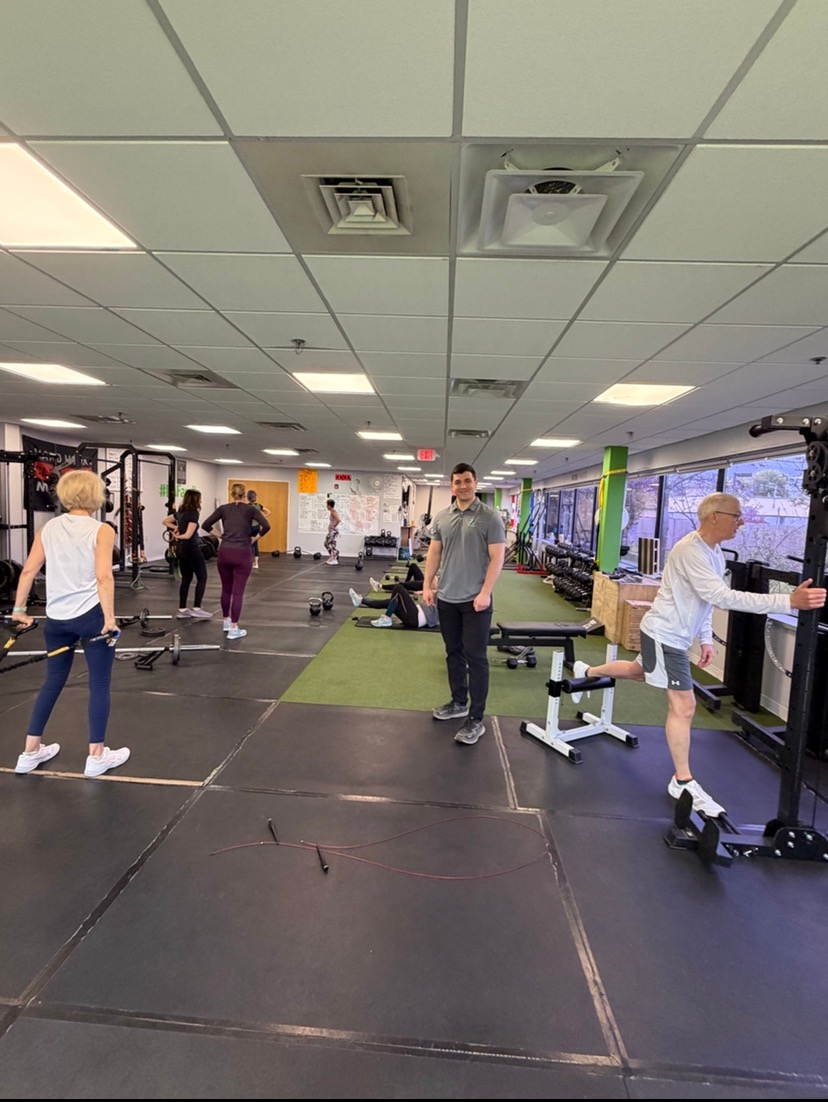
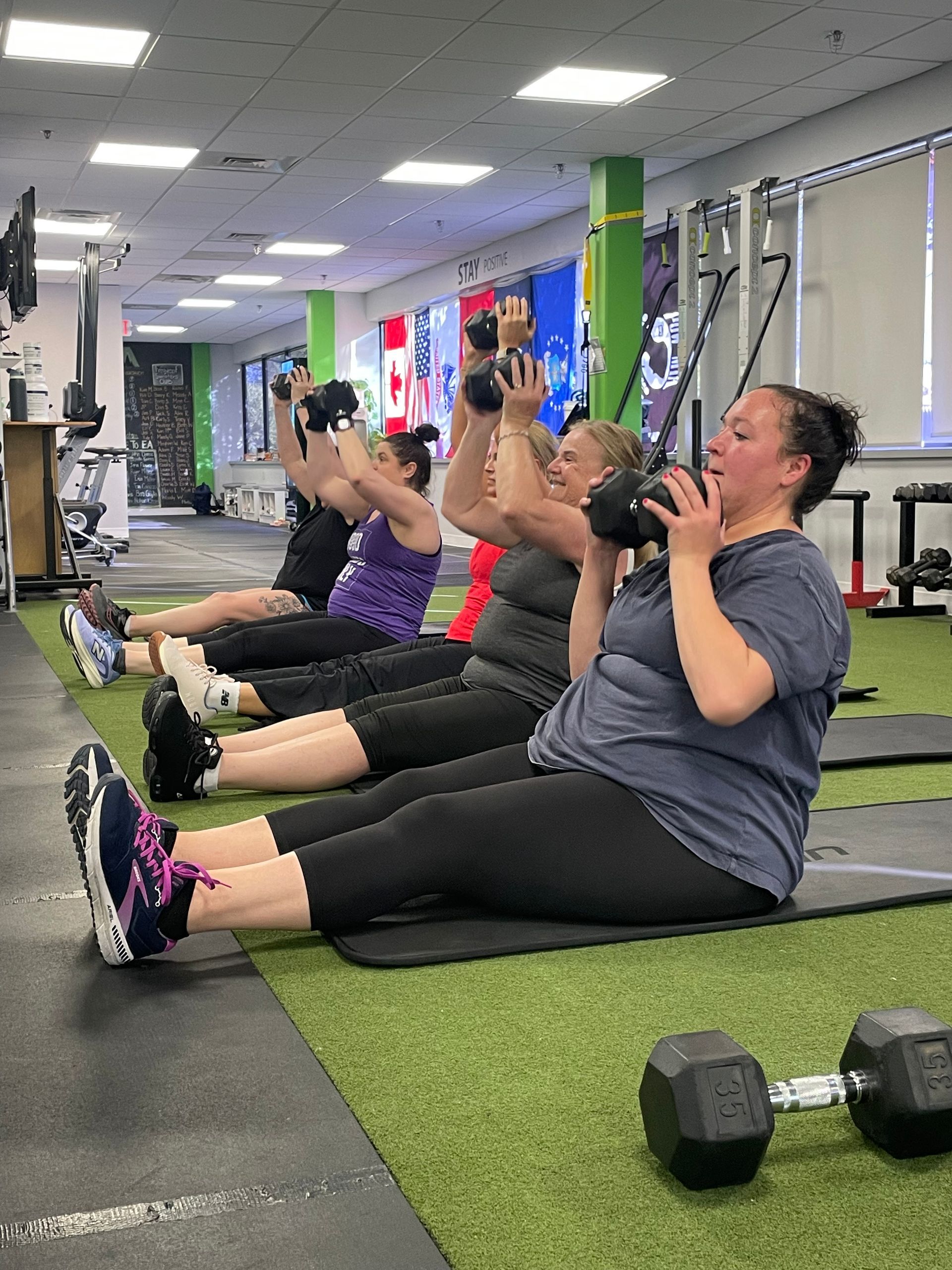
If you’re standing at the crossroads of your fitness journey here in Southern Maine, wondering who to trust with your health... you are definitely not alone. Maybe you’re noticing that your body doesn’t bounce back quite the way it used to in your twenties. Maybe you walk into a massive commercial gym, look at the endless rows of confusing machines, and immediately want to turn right back around. Or perhaps you’ve tried working out on your own: downloading random apps, following cookie-cutter routines: only to stall out or tweak your lower back. Stop. Take a deep breath. You don’t have to figure it all out by yourself. Finding the right personal trainer in the Portland area can completely change how you feel, move, and live. But with so many options out there, how do you separate the real experts from the noise? Let’s walk through exactly what you need to look for so you can find a coach who truly has your back. 1. Look Beyond the Resume: Certifications and Experience Matter When you're trusting someone with your physical health: especially when you have a career, a family, and maybe a few old nagging injuries: you need more than someone with a nice smile and a loud whistle. You need a certified professional. ✅ Recognized Certifications: Look for trainers certified through respected organizations like NASM (National Academy of Sports Medicine), ACE (American Council on Exercise), NSCA (National Strength and Conditioning Association), or ACSM (American College of Sports Medicine). These aren't just weekend certificates; they represent rigorous testing in anatomy, physiology, and program design. ✅ Experience with the 40+ Demographic: Training a twenty-year-old collegiate athlete is very different from coaching a forty-five-year-old professional who sits at a desk for nine hours a day and deals with tight hips. Make sure your trainer understands the realities of aging, joint health, and sustainable longevity. At EA Fitness & Performance, our team focuses on meeting you right where you are: building strength safely and effectively for the long haul. 2. Personalized Programming vs. The One-Size-Fits-All Trap Have you ever paid for a gym membership only to receive a generic workout printout that looks like it was designed for a twenty-year-old bodybuilder? It’s frustrating. And frankly, it’s ineffective. Your body is entirely unique. Your history, your stress levels, your daily habits, and your specific goals require an individualized approach. A great personal trainer won't just hand you a routine and walk away. They will: Conduct a thorough movement assessment before you ever touch a barbell. Tailor every single exercise to accommodate your current mobility and joint health. Adapt your workouts on the fly if you walked in feeling extra stressed or exhausted from work. Remember, fitness isn't a battlefield where you punish yourself into submission. It’s a craft, and your program should be custom-built for you. 3. Private Studios vs. Big Box Gyms: Where Do You Belong? If you’ve ever felt like just another membership number swiping a barcode at a massive commercial gym, you already know the downside of big box facilities. Loud crowds, broken equipment, waiting twenty minutes for a bench, and zero individual attention can drain your motivation fast. This is why many adults in Southern Maine are making the switch to intimate, private coaching environments like our facility at EA Fitness & Performance . In a private training studio: Distractions disappear: You aren't fighting for equipment or feeling self-conscious while dozens of strangers stare around. Coaches know your name: Every trainer in the building knows your story, your goals, and how your shoulder felt last Tuesday. Clean, focused energy: The environment is designed entirely around community support and focused, high-quality coaching. Having an expert coach by your side makes all the difference between guessing your way through a workout and actually seeing proven results. 4. The Power of a Welcoming Community Let’s be honest: starting something new can feel intimidating. Will you fit in? Will everyone else be in peak physical condition while you're trying to catch your breath? A supportive community is your superpower. When you choose a personal trainer or a training studio, pay attention to the culture. Do members high-five each other? Do people smile when they walk through the door? Is it an ego-free zone where beginners and seasoned gym-goers lift each other up? Whether you prefer one-on-one personal training or the shared energy of small group personal training , being surrounded by people cheering for your success makes the hard days feel manageable and the victories twice as sweet. 5. Red Flags to Watch Out For To help you make the smartest choice for your health, keep an eye out for these warning signs during your search: ⚠️ The "Quick Fix" Promise: If a trainer promises you'll lose thirty pounds in two weeks or guarantees extreme results without discussing nutrition or lifestyle habits, run the other way. Sustainable wellness takes consistency, not magic tricks. ⚠️ Ignoring Pain: A good coach listens when you say, "That hurts." If a trainer pushes you through sharp joint pain or dismisses your physical limitations as "weakness," they are putting your safety at serious risk. ⚠️ Zero Accountability or Assessment: If a trainer puts you straight into heavy lifting without checking how your spine, hips, or knees move first, they are gambling with your body. Your Next Step Choosing the best personal trainer in Portland, Maine doesn't have to feel overwhelming. Look for certified expertise, experience with your specific stage of life, personalized programs, and a welcoming community that makes you feel like family. We are in your corner!
you'll never know what you're capable of until you try
Let us help you find a sustainable approach to reaching your goals.