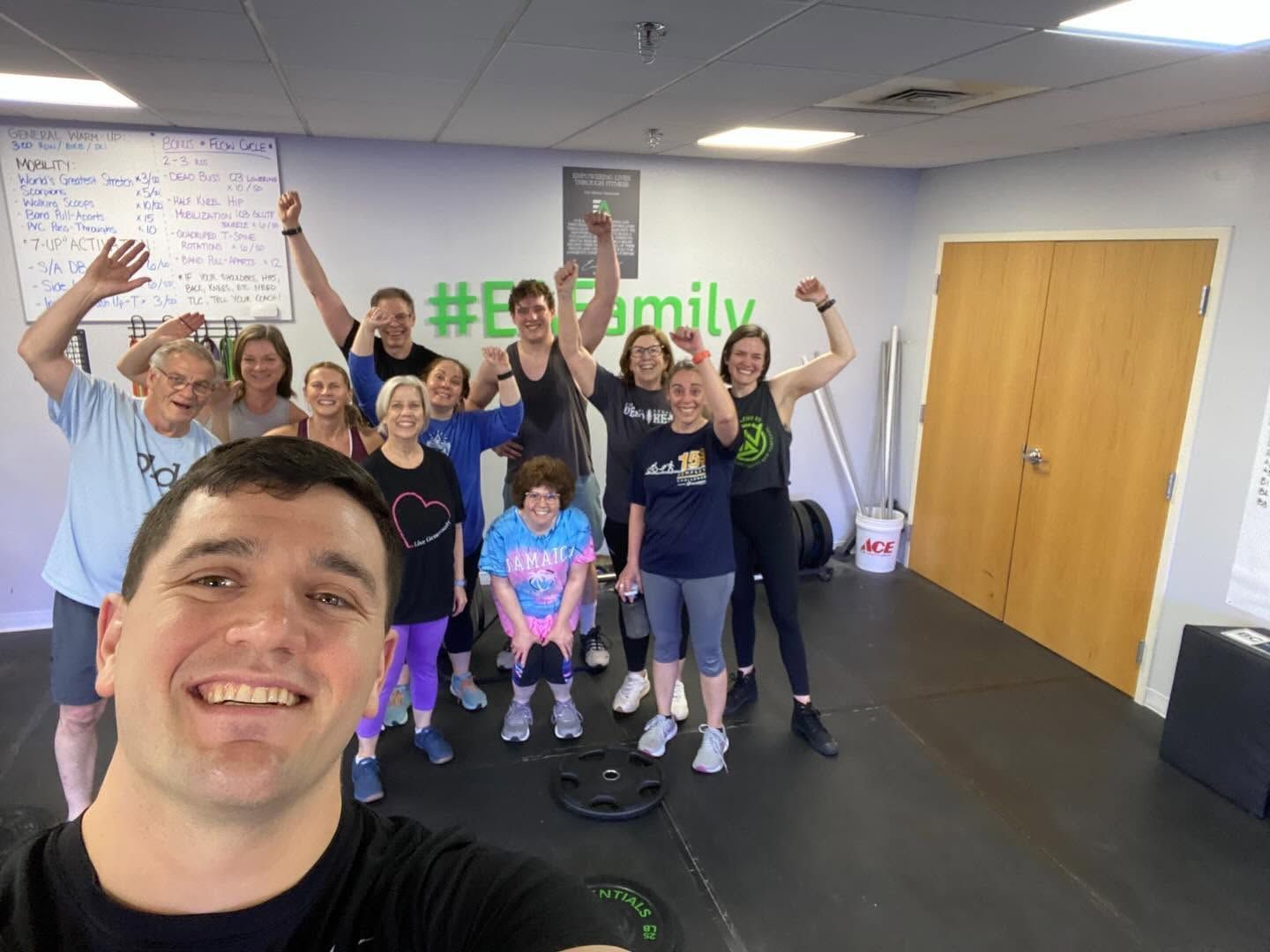
How to Choose the Best Personal Trainer in Portland, Maine
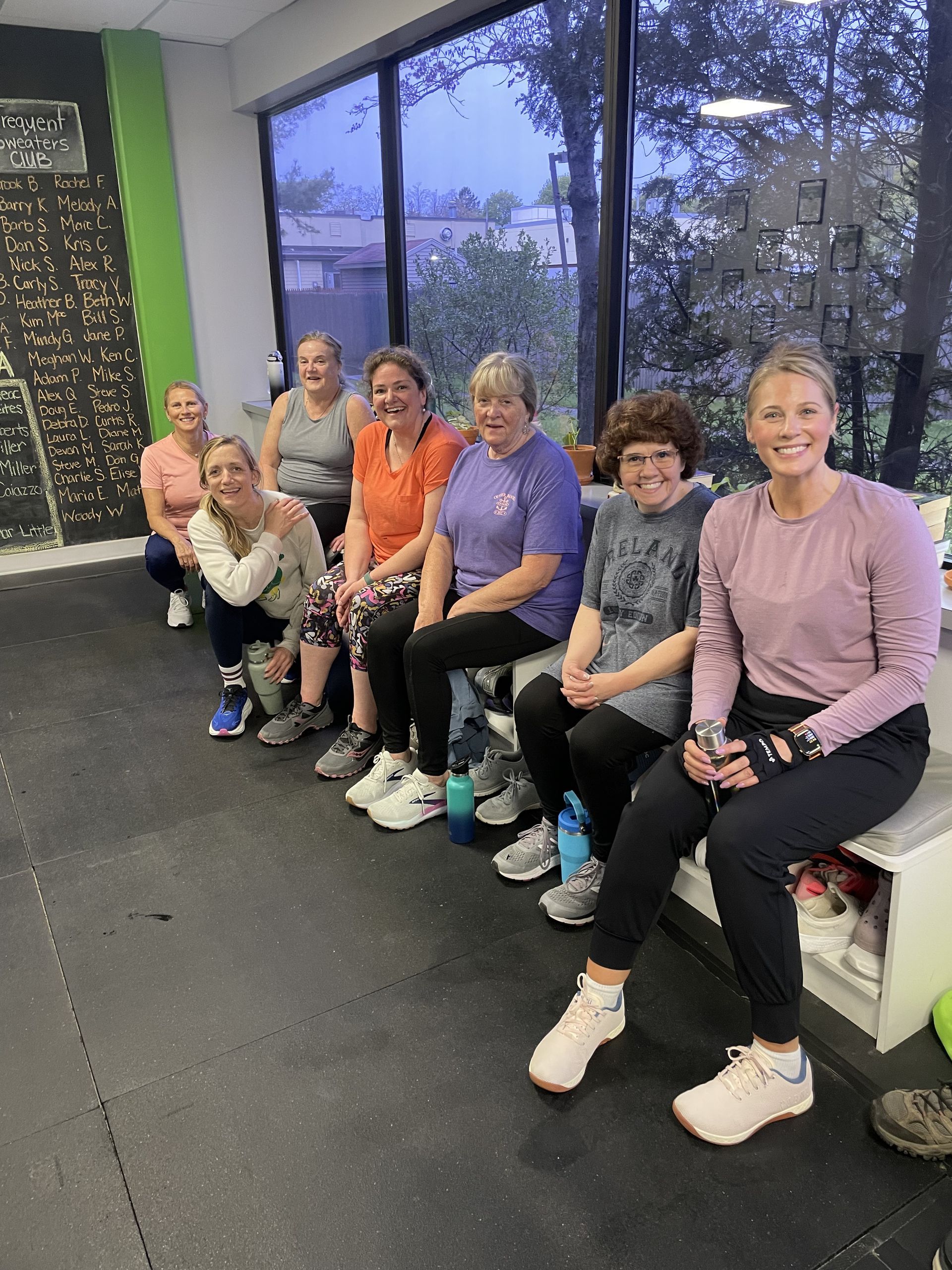
Evan Amell • August 6, 2026

If you’re standing at the crossroads of your fitness journey here in Southern Maine, wondering who to trust with your health... you are definitely not alone.


Maybe you’re noticing that your body doesn’t bounce back quite the way it used to in your twenties. Maybe you walk into a massive commercial gym, look at the endless rows of confusing machines, and immediately want to turn right back around. Or perhaps you’ve tried working out on your own: downloading random apps, following cookie-cutter routines: only to stall out or tweak your lower back.

Stop. Take a deep breath. You don’t have to figure it all out by yourself.


Finding the right personal trainer in the Portland area can completely change how you feel, move, and live. But with so many options out there, how do you separate the real experts from the noise? Let’s walk through exactly what you need to look for so you can find a coach who truly has your back.


1. Look Beyond the Resume: Certifications and Experience Matter

When you're trusting someone with your physical health: especially when you have a career, a family, and maybe a few old nagging injuries: you need more than someone with a nice smile and a loud whistle.

You need a certified professional.

✅ Recognized Certifications: Look for trainers certified through respected organizations like NASM (National Academy of Sports Medicine), ACE (American Council on Exercise), NSCA (National Strength and Conditioning Association), or ACSM (American College of Sports Medicine). These aren't just weekend certificates; they represent rigorous testing in anatomy, physiology, and program design.

✅ Experience with the 40+ Demographic: Training a twenty-year-old collegiate athlete is very different from coaching a forty-five-year-old professional who sits at a desk for nine hours a day and deals with tight hips. Make sure your trainer understands the realities of aging, joint health, and sustainable longevity.


At EA Fitness & Performance, our team focuses on meeting you right where you are: building strength safely and effectively for the long haul.

2. Personalized Programming vs. The One-Size-Fits-All Trap

Have you ever paid for a gym membership only to receive a generic workout printout that looks like it was designed for a twenty-year-old bodybuilder?

It’s frustrating. And frankly, it’s ineffective.

Your body is entirely unique. Your history, your stress levels, your daily habits, and your specific goals require an individualized approach. A great personal trainer won't just hand you a routine and walk away. They will:

  • Conduct a thorough movement assessment before you ever touch a barbell.
  • Tailor every single exercise to accommodate your current mobility and joint health.
  • Adapt your workouts on the fly if you walked in feeling extra stressed or exhausted from work.

Remember, fitness isn't a battlefield where you punish yourself into submission. It’s a craft, and your program should be custom-built for you.

3. Private Studios vs. Big Box Gyms: Where Do You Belong?

If you’ve ever felt like just another membership number swiping a barcode at a massive commercial gym, you already know the downside of big box facilities.

Loud crowds, broken equipment, waiting twenty minutes for a bench, and zero individual attention can drain your motivation fast.

This is why many adults in Southern Maine are making the switch to intimate, private coaching environments like our facility at EA Fitness & Performance. In a private training studio:

  • Distractions disappear: You aren't fighting for equipment or feeling self-conscious while dozens of strangers stare around.
  • Coaches know your name: Every trainer in the building knows your story, your goals, and how your shoulder felt last Tuesday.
  • Clean, focused energy: The environment is designed entirely around community support and focused, high-quality coaching.


Having an expert coach by your side makes all the difference between guessing your way through a workout and actually seeing proven results.

4. The Power of a Welcoming Community

Let’s be honest: starting something new can feel intimidating. Will you fit in? Will everyone else be in peak physical condition while you're trying to catch your breath?

A supportive community is your superpower.

When you choose a personal trainer or a training studio, pay attention to the culture. Do members high-five each other? Do people smile when they walk through the door? Is it an ego-free zone where beginners and seasoned gym-goers lift each other up?

Whether you prefer one-on-one personal training or the shared energy of small group personal training, being surrounded by people cheering for your success makes the hard days feel manageable and the victories twice as sweet.

5. Red Flags to Watch Out For

To help you make the smartest choice for your health, keep an eye out for these warning signs during your search:

⚠️ The "Quick Fix" Promise: If a trainer promises you'll lose thirty pounds in two weeks or guarantees extreme results without discussing nutrition or lifestyle habits, run the other way. Sustainable wellness takes consistency, not magic tricks.

⚠️ Ignoring Pain: A good coach listens when you say, "That hurts." If a trainer pushes you through sharp joint pain or dismisses your physical limitations as "weakness," they are putting your safety at serious risk.

⚠️ Zero Accountability or Assessment: If a trainer puts you straight into heavy lifting without checking how your spine, hips, or knees move first, they are gambling with your body.

Your Next Step

Choosing the best personal trainer in Portland, Maine doesn't have to feel overwhelming. Look for certified expertise, experience with your specific stage of life, personalized programs, and a welcoming community that makes you feel like family.  We are in your corner!

recent posts
By Evan Amell • October 29, 2026
If you’ve ever told yourself, “I’ll work out when I have more time,” you’re not alone. Work deadlines move. Kids need a ride. The weather turns. And after 40, your energy and schedule may not look the same from one day to the next. That’s why waiting to feel motivated, or deciding each day whether you’ll exercise, can make consistency harder than it needs to be. Try this instead: schedule your workouts in advance as real calendar appointments. Choose days and times you can repeat, and decide ahead of time what you’ll do if life gets in the way. It’s a simple way to make fitness part of your week, not one more decision you have to wrestle with. Why motivation isn’t a reliable schedule Motivation is useful when it shows up. But it doesn’t always arrive at a convenient time. If you decide every day whether to work out, you’re asking yourself to negotiate with a busy calendar over and over. “Should I go before work? Maybe after dinner? I’m tired today… I’ll try tomorrow.” Before long, tomorrow keeps moving. A calendar appointment gives your workout a place in the week before other tasks fill every open space. You’re not promising to feel excited. You’re making a practical plan for when and where you’ll move. Research on physical activity planning supports this approach. Studies have found that specifying when and how you’ll exercise can help people follow through. Planning isn’t a magic fix, though: the plan still needs to be realistic and flexible enough to survive a normal week. You can read a review of planning interventions for physical activity and a systematic review on implementation intentions . Think of your calendar as a helpful map, not a test you pass or fail. ✅ Pick repeatable times, not perfect times The best workout time isn’t the one that looks impressive on paper. It’s the one you can come back to most weeks. If early mornings are already a struggle, don’t schedule five 5 a.m. sessions because you think you “should.” If evenings often get swallowed by work or family responsibilities, be honest about that too. Start by asking: Which two or three days usually have the fewest conflicts? What time of day tends to work with your energy and responsibilities? How long can you realistically set aside? What kind of workout would you be willing to repeat? For example, you might choose strength training on Tuesday and Thursday at 7 a.m., plus a 20-minute walk on Saturday morning. Or perhaps lunchtime and an early evening session fit better. There’s no gold star for choosing a time that doesn’t suit your life. If you’re new to regular exercise, or returning after a break, begin with a manageable commitment. Two planned sessions are a solid starting point. You can build from there when the routine feels steady. Make the appointment specific “Work out sometime Wednesday” leaves a lot of room for delay. A more useful calendar entry answers a few simple questions: When will you start? Choose a time you can protect. Where will you go? Name the place, whether that’s your gym, home, or a nearby route. What will you do? Write down the type of workout, such as a coached strength session or a brisk walk. How long will it take? Give yourself a realistic window, including travel if needed. Instead of “exercise,” your appointment could say: Thursday, 5:30 p.m., 30-minute strength session at EA Fitness & Performance. That little bit of detail makes it easier to picture the plan and act on it. You’re taking a vague intention and turning it into an appointment you can prepare for. And please don’t make the session so ambitious that you need a perfect day to complete it. A focused 25-minute workout is more likely to fit into a busy week than a plan that requires an hour and a half, special conditions, and unshakable enthusiasm. Always have a backup plan Life will interrupt your schedule sometimes. That doesn’t mean you’ve lost your consistency. It means you’re living a life. Before the week begins, decide what you’ll do if a workout gets disrupted. Use a simple “if this happens, then I’ll do that” plan: If Tuesday’s session runs into a work deadline, then I’ll move it to Wednesday at 6 p.m. If I can’t make it to the gym, then I’ll do 15 minutes of bodyweight strength work at home. If I’m low on time, then I’ll do a shorter version instead of skipping the day completely. Your backup should be convenient, not punishing. A short walk, a few rounds of simple strength exercises, or a shorter coached session can keep the habit alive on a hectic day. Follow your coach’s guidance and choose movement that suits your current ability. A shorter workout still counts. You don’t need to “make up” for a disrupted day with an exhausting session later. Just return to your next planned appointment. Your simple weekly setup Try this once a week, perhaps Sunday evening or whenever you usually check your schedule. It should take only a few minutes. 1. Choose your minimum. Pick two or three sessions that feel doable, not your ideal week, your ordinary week. 2. Add each session to your calendar. Include a start time, location, and a simple description of what you’ll do. 3. Add a reminder and prepare one thing ahead. Set a notification, lay out your clothes, pack your bag, or put your walking shoes by the door. 4. Write down one backup for each session. Choose another time or a shorter version you can do if your day changes. 5. Review without judgment. At the end of the week, notice what worked. If a time repeatedly didn’t fit, change the appointment. The goal is a plan that supports your life, not a calendar you have to obey perfectly. That’s it. No elaborate tracking system required. Just a realistic plan, a backup, and permission to adjust. Support can make the plan easier to keep Sometimes the hardest part isn’t choosing a time. It’s knowing what to do when you get there, or having someone help you stay accountable when your week gets busy. That’s where personalized coaching can help. At EA Fitness & Performance , a coach can help you choose an appropriate starting point and build a plan around your goals, experience, and schedule. Our small group training adds coaching and community, so you’re not trying to figure everything out alone. If you’re looking for a personal trainer in Portland, Maine , you don’t need to have your routine all figured out before asking for support. Bring your questions, your schedule, and even the parts that have been difficult. We can help you find a starting point that feels practical. Consistency isn’t about never missing a workout. It’s about making a plan you can return to, and adjusting it when life changes. So take two minutes today. Open your calendar, choose your next realistic workout time, and give it a name. If the day gets complicated, use your backup. If all you can manage is a shorter session, that still counts. You’re building a habit one appointment at a time. 💪 Evan Amell EA Fitness & Performance
By Evan Amell • October 22, 2026
The Off-Season Golfer's Guide to Staying Strong This Winter in Portland, Maine
By Evan Amell • October 15, 2026
PT or self directed? Which Is Better for Your Goals?