More Than a Gym: The Community That Makes EA Different

July 13, 2026

Let’s be honest for a second. You’ve probably been there before...


You walk into a massive "big box" gym, scan your card at a cold plastic turnstile, and suddenly you’re in a sea of chrome machines and people wearing noise-canceling headphones that say "don't talk to me." You find a treadmill, stare at a TV for thirty minutes, lift a few weights you think you’re using right, and leave without uttering a single word to another human soul.

It feels a bit like being a ghost in a machine, doesn't it? 👻


If you’re a busy professional in Southern Maine or a parent trying to keep up with the chaos of family life, you don't just need a place to sweat. You need a place where people actually know your name. A place where you feel seen, supported, and: most importantly: where you actually want to show up.


That’s exactly why we built EA Fitness & Performance. We’re not just a collection of barbells and turf; we’re a community. And honestly? That community is the secret sauce to why our members actually get results while everyone else is still making New Year’s resolutions in July.

The "Third Place" You Didn't Know You Needed

Most of us have two main "places" in our lives: home and work. But there’s a concept called the "Third Place": a social environment that’s separate from the pressures of your boss or the demands of your kids.


For many of our members, EA is that third place.


When you walk through our doors, you’re not "The Manager" or "Mom/Dad" for an hour. You’re just you. You’re part of a crew that’s all working toward the same goal: being a better, stronger version of themselves.


That shift in environment is huge for your mental health. Research shows that group exercise is far more effective at lowering stress and anxiety than going it alone. It’s like a built-in "reset button" for your brain. 🧠✨
Why Small Group Training is a Game-Changer

You might be wondering, "What’s the big deal with small group personal training?"


Think of it as the "Goldilocks" of fitness.

1-on-1 personal training is great for deep focus, and big classes can be high energy. But small group training? It’s just right.


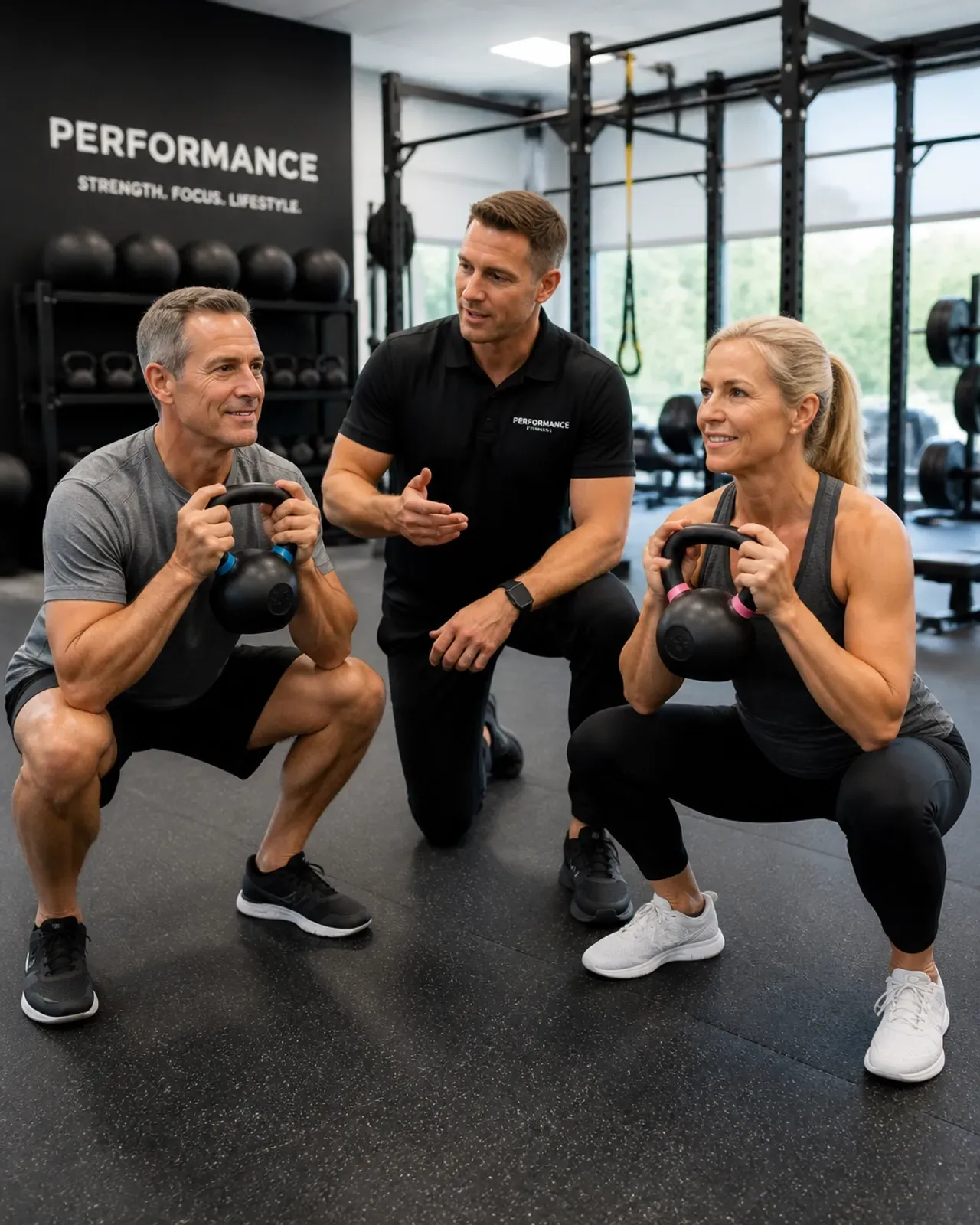
In our small groups, you get the individualized attention of our expert coaches: like Andy, Isaac, or Jacob: to make sure your form is spot-on and you aren't going to hurt yourself. But you also get the collective energy of 2-4 other people who are right there in the trenches with you.

The 95% Factor

Did you know you are 95% more likely to stick with a fitness program when you have a community supporting you? It’s true. When you know that Sarah and Mike are expecting to see you at 6:00 AM, you’re much less likely to hit that snooze button.

Accountability isn't just about a coach wagging a finger at you; it's about not wanting to let your friends down. It’s about the person next to you saying, "Come on, one more rep, you’ve got this!" when you’re ready to quit.

No More "Decision Fatigue"

Stop. ✋


Think about how many decisions you have to make in a day. What’s for dinner? How do we handle this project at work? When are the kids’ soccer practices?


The last thing you need is to walk into a gym and have to decide what your workout should be. That "decision fatigue" is a major reason why people quit. They get overwhelmed, do the same three things every time, get bored, and stop coming.


At EA, we take that off your plate entirely.
✅ Your workout is planned.
✅ Your weights are selected for your level.
✅ Your coach is ready.


You just show up. We handle the rest. This structure is a lifesaver for our 40+ members who are juggling a million things at once. We make fitness the easiest part of your day.

Connection Over Competition

A lot of gyms thrive on "leaderboards" and competing to see who can crush themselves the hardest.


We don’t do that.


At EA, the only person you’re competing with is the version of yourself that walked in the door yesterday. Our community is built on support, not comparison.


Whether you’re a seasoned athlete or you haven't stepped foot in a gym in twenty years, you’ll find a high-five waiting for you. We celebrate the small wins together:

  • Finally hitting a personal best on a deadlift. 🏋️‍♂️
  • Having more energy to play with the grandkids.
  • Getting through a Monday morning workout when you really didn't want to.


It’s about "commiserating over sore muscles" and celebrating the fact that we’re all showing up for ourselves. That shared experience creates a bond that you just can't find on a solo treadmill run.
Real Talk: The Power of Seeing Others Succeed

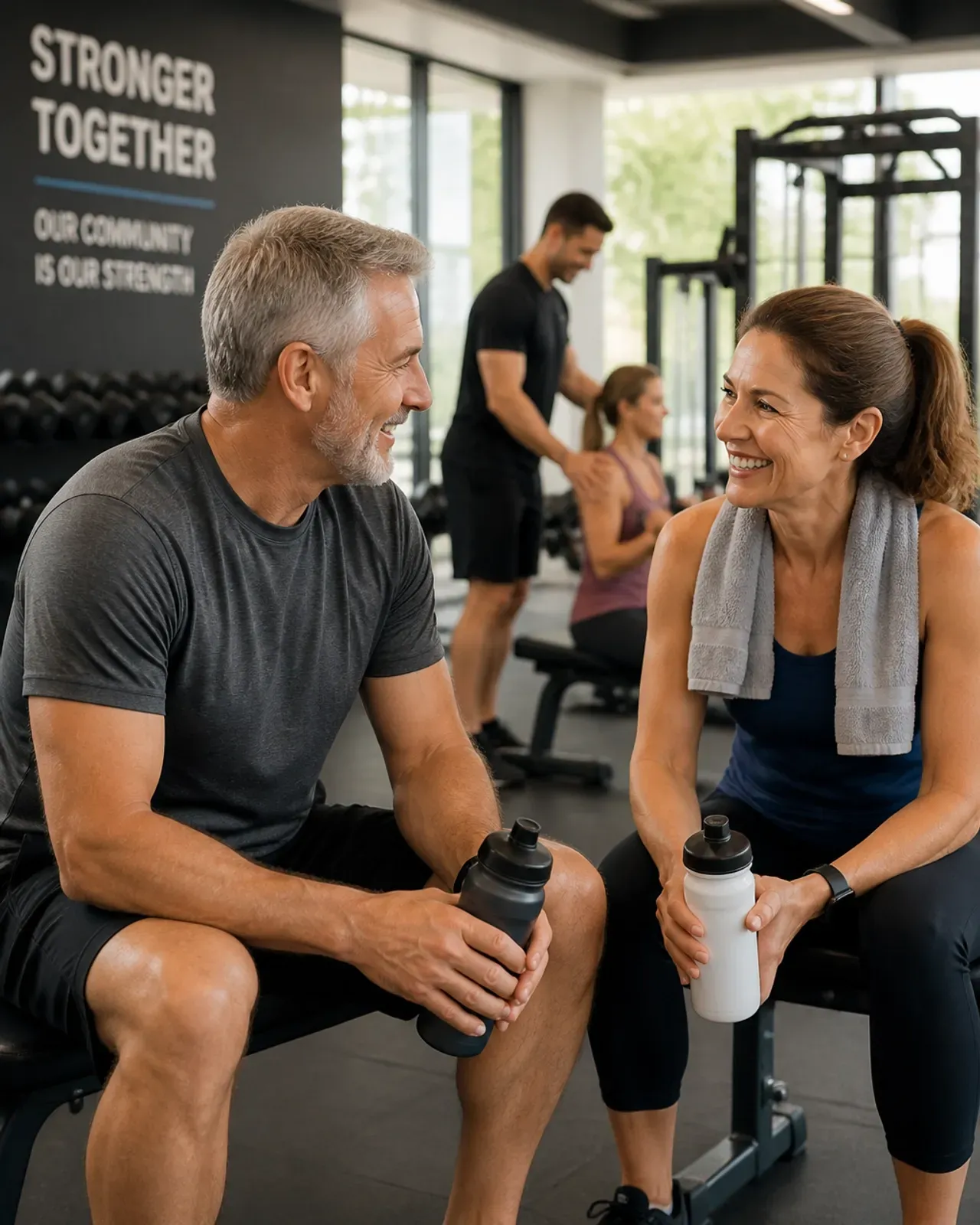
There’s a special kind of magic that happens when you see someone just like you: same age, same busy schedule: making progress.

When you see a fellow parent in their 40s mastering a move that used to be difficult, it gives you that internal "I can do this too" spark. It turns "maybe one day" into "why not today?"


Our community serves as a living, breathing gallery of what’s possible. It’s not about looking like a fitness model; it’s about being functional, pain-free, and strong enough to enjoy your life in Southern Maine. 🌲🌊
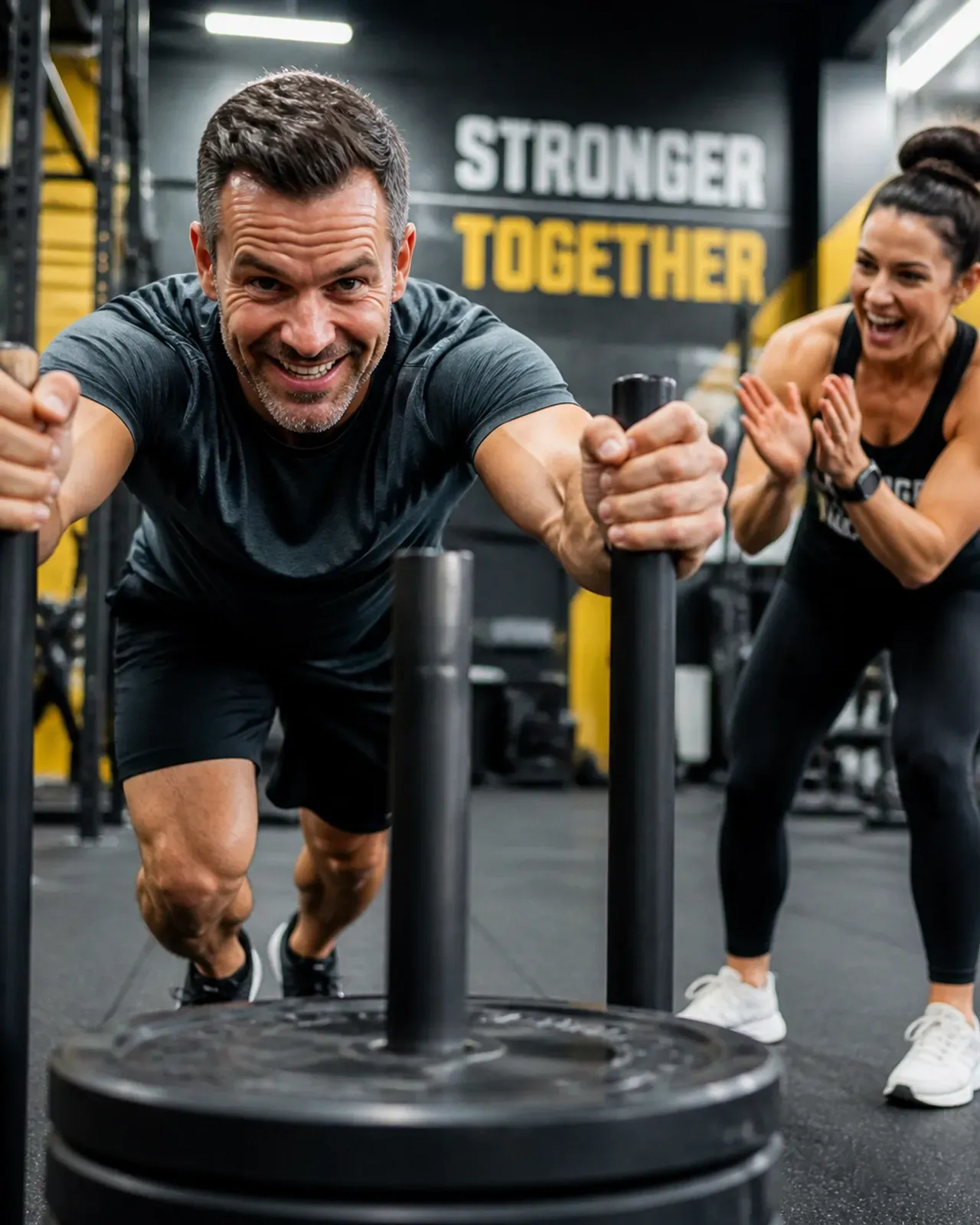
Meet the People Behind the Progress

Community starts from the top down. Our owner, Evan Amell, and the entire coaching staff are obsessed with your success. We don't just watch you move; we listen to your stories, understand your "why," and help you navigate the ups and downs of life.


Whether it's personal training or a small group session, you’re getting more than a trainer. You’re getting a coach who actually cares if you show up.

Ready to Find Your People?

If you’re tired of the lonely, confusing, and "ghost-like" experience of big gyms, it’s time for a change.


You deserve a fitness home where you’re part of a team. Where the workouts are tailored to you, the coffee (or post-workout water) tastes better because of the conversation, and the results are sustainable because you actually enjoy the process.


You don’t have to do this alone.


In fact, you shouldn’t.


Come see what the EA community is all about. Whether you're looking to regain your energy, lose some weight, or just feel like yourself again, we’ve got a spot for you in the group.

Click here to get started and book your consultation today!


We can't wait to meet you.


Stay strong,

The EA Fitness & Performance Team

recent posts

By Evan Amell • October 1, 2026
Whole Foods, Real Results You know you should probably eat more whole foods. But then life happens. Work runs late. The kids need dinner. You’re hungry, tired, and standing in the kitchen wondering what can be ready in five minutes. Reaching for something packaged or ordering takeout doesn’t make you lazy. It makes you human. Still, if your goals include losing weight, improving your health, and feeling stronger after 40, the quality of your food matters more than you may realize. Not because any single food is “good” or “bad.” And not because you need to follow a perfect meal plan. Whole foods simply give your body more of what it needs: and make it easier to feel satisfied without constantly counting calories. So, what exactly are whole foods? And how can you eat more of them when your schedule is already full? Let’s break it down. 🥦 What Are Whole Foods? Whole foods are foods that are close to their natural state and haven’t been heavily altered. That includes: Vegetables Fruit Meat and poultry Fish and seafood Eggs Dairy products such as Greek yogurt and cottage cheese Nuts and seeds Beans, peas, and lentils Whole grains such as oats, brown rice, quinoa, and barley Some foods are processed without being a problem. Frozen vegetables, canned beans, plain yogurt, and pre-cut produce can all support a healthy diet. The bigger concern is highly processed food that has been significantly changed and engineered to be extremely easy to overeat. These foods often combine refined carbohydrates, added sugar, salt, fat, and strong flavors in a way that keeps you reaching for “just one more.” Stop. This isn’t about guilt. It’s about understanding what makes your choices easier or harder. Whole foods tend to come with more fiber, water, protein, and nutrients. Highly processed foods often deliver a lot of calories quickly without creating the same level of fullness. That difference matters. Why Whole Foods Can Help With Weight Loss Weight loss is not just about willpower. Your food choices influence hunger, fullness, energy, and how easy it is to stay consistent. Whole foods support these areas in several important ways. 1. They help you feel fuller Vegetables, fruit, legumes, and whole grains contain fiber. Fiber adds bulk to your meals and slows digestion, which can help you stay satisfied longer. Protein has a similar advantage. Chicken, fish, eggs, Greek yogurt, lean meat, beans, and lentils can help you feel more satisfied after eating while also supporting muscle. When you build a meal around protein and fiber, you’re less likely to find yourself searching the pantry an hour later. 2. They’re often lower in calorie density Calorie density refers to how many calories a food contains in a given amount of weight or volume. Vegetables and fruit contain a lot of water and fiber, so you can often enjoy a generous portion for relatively few calories. Compare that with a small handful of highly processed snacks that may contain many calories without filling you up. This is one reason a plate full of vegetables, protein, and a whole-food carbohydrate can support weight loss without leaving you feeling deprived. You get more volume. More chewing. More satisfaction. And usually, fewer calories without needing to measure every bite. 3. They provide more protein per meal As you get older, preserving muscle becomes increasingly important. Muscle supports strength, balance, independence, metabolism, and your ability to stay active. Weight loss that comes primarily from muscle is not the goal. Adequate protein, combined with resistance training, can help you preserve lean muscle while losing body fat. That’s why we encourage you to include a protein source at every meal. Try: Eggs with vegetables at breakfast Greek yogurt with berries and nuts Chicken or fish at lunch Lean meat, beans, or lentils at dinner Cottage cheese or a simple protein-rich snack when needed Your body needs the building blocks. Give it some. 4. They’re less likely to trigger mindless eating Many highly processed foods are designed to be convenient, intensely flavorful, and easy to eat quickly. That doesn’t mean you can never enjoy them. It does mean they may be harder to eat casually and stop when you’re satisfied. Whole foods usually require more chewing and take longer to eat. A bowl of berries, yogurt, and nuts feels different from eating a sweet snack straight from a large package. Over time, these small differences can make it easier to manage portions naturally. Whole Foods Support More Than the Number on the Scale Weight loss may be your first goal, but it shouldn’t be your only measure of progress. A whole-food eating pattern can support several areas of health that become especially important in your 40s, 50s, and beyond. More stable blood sugar Meals built around protein, fiber, and minimally processed carbohydrates are generally digested more slowly than meals dominated by refined carbohydrates and added sugar. That can support steadier energy and help reduce the cycle of a quick boost followed by a crash. Healthier cholesterol and blood pressure Vegetables, fruit, legumes, whole grains, nuts, seeds, fish, and other nutrient-dense foods can contribute to a heart-supportive eating pattern. Fiber may help support healthy cholesterol levels. Eating more whole foods can also make it easier to reduce excess sodium, added sugar, and heavily processed fats. Better digestion Fiber supports regular digestion and feeds beneficial bacteria in your gut. If you currently eat very little fiber, increase it gradually and drink enough water. Your body may need time to adjust. More consistent energy Have you ever eaten lunch and felt exhausted soon afterward? A meal with protein, vegetables, and a satisfying whole-food carbohydrate may help you feel fueled without the same heavy, sluggish feeling that often follows a highly processed meal. Better sleep and recovery Food isn’t a magic sleep cure. But regular meals, adequate protein, enough fiber, and a balanced intake of nutrients can support your overall recovery routine. Better recovery helps you train consistently. Consistent training helps you build strength. It all connects. Support for joints and active living A diet rich in vegetables, fruit, fish, nuts, seeds, and other nutrient-dense foods can help support overall health and a healthy inflammatory response. That matters when you want to keep walking, lifting, gardening, playing with your kids or grandchildren, and doing the activities you enjoy. The Practical Challenge: Whole Foods Take Planning Here’s the honest truth: processed food is convenient. It’s packaged. It’s ready to eat. It’s everywhere. Whole foods often take a little more thought. You may need to shop, wash, chop, cook, or assemble. That can feel like a lot when you’re already busy. But you don’t need a perfect meal-prep routine. You need a few reliable systems. Start with these simple habits: ✅ Build meals around protein first. Ask, “What’s my protein?” before deciding on the rest of the meal. ✅ Aim for protein at every meal. This can be eggs, fish, chicken, lean meat, Greek yogurt, cottage cheese, beans, lentils, or another option you enjoy. ✅ Fill about half your plate with vegetables. Fresh, frozen, roasted, sautéed, or steamed all count. Choose the format you’re most likely to eat. ✅ Prep one or two things on Sunday. You don’t need to cook twelve meals. Try preparing hard-boiled eggs, roasted vegetables, cooked grains, or a batch of chicken. ✅ Keep easy whole-food options available. Convenience matters. Stock your kitchen with: Hard-boiled eggs Rotisserie chicken Pre-cut vegetables Plain Greek yogurt Berries Nuts Canned tuna or salmon Frozen vegetables Beans and lentils Oats ✅ Read the ingredient label. You don’t need to understand every nutrition claim on the front of a package. Look at the ingredient list. If it’s extremely long and filled with ingredients you don’t recognize, consider whether a simpler option would work. ✅ Use the 80/20 approach. Let whole foods make up most of your diet. Enjoy other foods without guilt the rest of the time. That’s not failure. That’s balance. A Simple Whole-Food Day What could this look like in real life? Breakfast: Eggs with spinach and whole-grain toast, plus berries. Lunch: A chicken and vegetable bowl with brown rice, beans, salsa, and avocado. Snack: Greek yogurt with berries and a small handful of nuts. Dinner: Salmon, roasted vegetables, and potatoes or quinoa. Dessert or treat: Something you genuinely enjoy. No complicated rules. No elimination list. No starting over on Monday. Just meals that provide protein, fiber, nutrients, and satisfaction. You Don’t Have to Eliminate Everything Let’s be clear: no single food determines your health. You don’t need to eliminate bread, pasta, dessert, dairy, or your favorite family meals. You don’t need to label yourself as “perfect” or “off track.” Instead, focus on crowding in better options. Add vegetables to lunch. Put protein in your breakfast. Choose fruit when you want something sweet. Keep easy ingredients ready so you’re not making every decision while hungry. The goal is not restriction. It’s creating a food environment that makes your goals easier to support. Pair Nutrition With Personalized Training Nutrition and exercise work best together. Eating more whole foods can support your energy, recovery, and body-composition goals. Personalized training can help you build strength, improve movement, and preserve muscle as you age. At EA Fitness & Performance , our certified nutrition coaches help you build sustainable habits: not crash diets or overly restrictive plans. Nutrition coaching can also be paired with personalized training , so your food and workouts support the same goals. You don’t have to figure everything out alone. A coach can help you turn general advice into practical choices for your schedule, preferences, health needs, and goals. Learn more about nutrition coaching at EA Fitness & Performance . Your Next Step Don’t try to rebuild your entire diet overnight. Start with one meal. At your next breakfast, add protein. At lunch, include a vegetable. At dinner, swap one highly processed side for a whole-food option. Small choices become routines. Routines become results. And results don’t come from being perfect. They come from consistently giving your body the support it needs. You can do this: one meal, one choice, and one day at a time. 💪 Evan Amell Owner, EA Fitness & Performance
By Evan Amell • September 24, 2026
More Than a Number: Why Meaningful Goals Are the Difference Between Starting and Succeeding 
By Evan Amell • September 17, 2026
Whole Foods, Real Results: Why What You Eat Matters More Than You Think