7 Mistakes You’re Making with Fitness Over 40: How a Portland Maine Personal Trainer Fixes Them

Evan Amell • April 6, 2026

Let’s be real for a second. Turning 40 isn't the "over the hill" moment the greeting cards make it out to be. Honestly? It’s more like an "upgraded version" of yourself. You’ve got more wisdom, better stories, and, hopefully, a little more stability in life.


But if you’ve been hitting the gym lately and wondering why your body isn’t responding the way it did at 25, you’re not alone. Believe me, I see it every single day here at EA Fitness & Performance.


Maybe your knees are a bit "crunchier" than they used to be. Maybe that stubborn belly fat just won't budge, no matter how many miles you log on the Back Cove Trail. Or maybe you're just plain exhausted.


It’s not that you’re "old." It’s just that the rules of the game have changed.


The fitness routine that worked in your twenties is probably the very thing holding you back now. If you’re ready to stop spinning your wheels and start feeling strong, capable, and energized again, let’s look at the seven most common mistakes we see people over 40 making, and how a Portland Maine personal trainer can help you fix them.

1. The "Daily Grind" Delusion (Overtraining)

We’ve been conditioned to think that more is always better. If three days of exercise is good, seven days must be amazing, right?


The Mistake: Pushing through high-intensity workouts 6–7 days a week.

When you’re over 40, your recovery capacity isn't what it used to be. Your hormones, like cortisol and testosterone, react differently to stress. If you’re constantly red-lining your engine without giving it time to cool down, you aren't getting stronger. You’re just breaking yourself down.


The Fix: Quality over quantity.

At EA Fitness & Performance, we typically recommend 3–4 high-quality sessions per week. This allows your nervous system and your joints to actually recover. Remember: You don’t get fit at the gym; you get fit recovering from the gym.
2. The Cardio Trap

I love a good walk along the Eastern Prom as much as anyone, but if cardio is the only thing you’re doing to stay fit, we need to talk.


The Mistake: Avoiding the weight room in favor of endless cardio.


After age 40, a process called sarcopenia kicks in. That’s just a fancy way of saying your body starts naturally losing muscle mass every year. Muscle is your metabolic engine; without it, your metabolism slows down, your joints lose support, and you start feeling "frail" rather than "firm."

The Fix: Lift something heavy (with supervision!).
We focus on functional movements, squats, deadlifts, and presses. These aren't just for bodybuilders; they are for human beings who want to stay independent and strong. If you’re nervous about where to start, our 
small group training is a great way to get professional eyes on your form while you build that essential muscle.

3. Treating Your Body Like a 20-Year-Old’s (Skipping the Warm-up)

Remember when you could roll out of bed, put on your sneakers, and sprint? Yeah... those days are behind us.


The Mistake: Skipping mobility work and dynamic warm-ups.

As we age, our collagen production drops and our joints lose a bit of their natural lubrication. Jumping straight into a heavy lift or a fast run without prep is a one-way ticket to a pulled hamstring or a cranky lower back.


The Fix: The 10-Minute "Insurance Policy."

Every session should start with a dynamic warm-up. We’re talking hip circles, shoulder openers, and core activation. Think of it as "greasing the groove." It’s not a waste of time: it’s the reason you’ll still be training in your 60s and 70s.

4. The "Flavor of the Week" Program

Are you jumping from a TikTok workout to a random YouTube HIIT session to a "30-day challenge" you found on Instagram?


The Mistake: Doing random workouts with no structure.


Random workouts get random results. If you don't have a plan that progressively challenges you, your body has no reason to change. Plus, most of those "viral" workouts are designed for 22-year-olds with rubber joints: not for someone balancing a career and a family in their 40s.


The Fix: A structured, progressive plan.


Working with a coach like 
Andrew Goyet or Isaac Wilkins means having a roadmap. We track your weights, your reps, and your progress. When you know exactly what you’re doing when you walk through the door, the stress disappears and the results show up.

5. Ego Lifting vs. Quality Movement

We all want to feel strong, and there’s a certain rush that comes with seeing a big number on the bar. But is that number worth a six-month layoff because you blew out your shoulder?


The Mistake: Training with poor form or excessive load.


In your 40s, an injury isn't just a minor setback; it can be a total derailment. Many people try to "out-lift" their age by using momentum or ego to move weight they aren't ready for.


The Fix: Master the mechanics first.


Stop. Breathe. Reset. We prioritize "perfect" reps over "heavy" reps. By focusing on time under tension and controlled movements, you actually stimulate more muscle growth with less risk to your joints. It’s about training smarter, not just harder. If you’ve struggled with old injuries, our team often collaborates with experts like 
Phil Finemore to make sure your movement patterns are safe and effective.
6. Starving Your Muscles

You’ve probably heard for years that "eating less" is the key to weight loss. While calories matter, the type of fuel you give your body matters even more once you hit 40.


The Mistake: Underestimating protein and recovery nutrition.


Your body becomes less efficient at processing protein as you age (this is called anabolic resistance). If you aren't eating enough protein, your body will literally "eat" its own muscle to survive. Not exactly the look we’re going for, right?


The Fix: Prioritize protein at every meal.


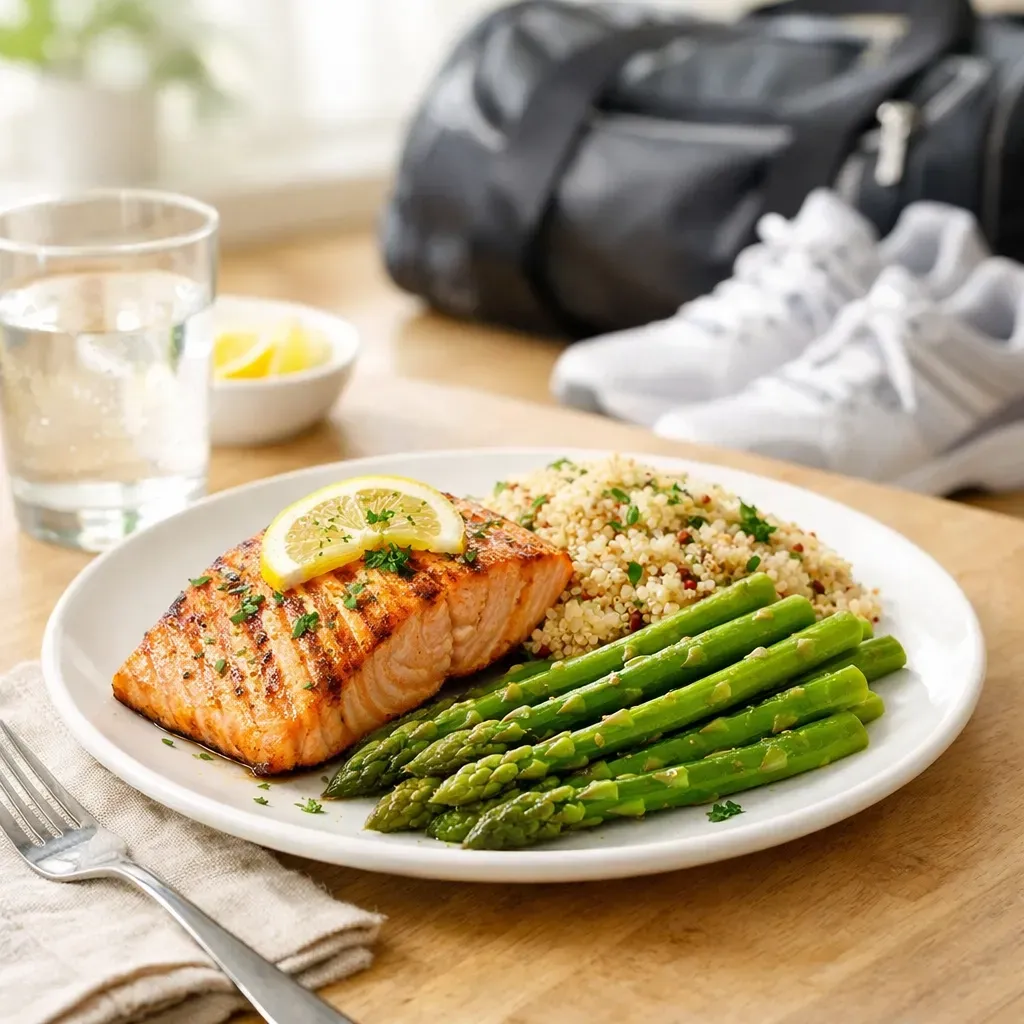
Aim for 0.7 to 1.0 grams of protein per pound of your goal body weight. That usually looks like 30–40 grams of protein per meal. Think chicken, fish, lean beef, or high-quality Greek yogurt. If you’re feeling lost in the kitchen, our 
nutrition coaching can help you build a sustainable plan that doesn't involve living on kale and water.

7. The "Monday Morning" Sprint (The All-or-Nothing Trap)

We’ve all been there. You wake up Monday morning, decide "today is the day," and try to change your entire life at once. You go to the gym for two hours, eat nothing but salad, and try to drink a gallon of water.


The Mistake: Starting too aggressively.


By Wednesday, you’re so sore you can’t walk. By Friday, you’re exhausted and reach for the takeout menu. By Sunday, you’ve "failed," and you decide to try again next month.


The Fix: Build a base.


The first 2–4 weeks of any new routine should feel... dare I say... easy? We want to build the habit of showing up before we worry about the intensity of the workout. Those who start steady are the ones who are still here six months later. Consistency is the superpower of the 40+ athlete.

Why a Portland Maine Personal Trainer Makes the Difference

Look, you can find workout tips anywhere. But what you can’t find in a Google search is a coach who knows you.

When you walk into EA Fitness & Performance, we don't just see a "client." We see a person with a busy life, maybe a few old sports injuries, and a goal to feel better. Whether you’re working with me, Evan Amell, or any of our incredible coaching staff, our goal is to help you navigate these "over 40" hurdles.


We live in a beautiful part of the world. Between hiking in the Whites, kayaking in Casco Bay, or just keeping up with the kids (or grandkids!), you want a body that can handle whatever a Maine weekend throws at it.


Ready to stop making these mistakes and start seeing real change?


Don't wait for "someday." Someday isn't a day of the week. Let’s get you on the right track today.


✅ Step 1: Check out our FAQs to see how we work.
✅ 
Step 2: Book a consultation to talk about your goals.
✅ 
Step 3: Let’s get to work!


You've got this. The best years are still ahead, and I’d love to help you make them your strongest ones yet.

Stay strong,

Evan Amell
Owner, EA Fitness & Performance

Get Started Today

recent posts

By Evan Amell • October 1, 2026
Whole Foods, Real Results You know you should probably eat more whole foods. But then life happens. Work runs late. The kids need dinner. You’re hungry, tired, and standing in the kitchen wondering what can be ready in five minutes. Reaching for something packaged or ordering takeout doesn’t make you lazy. It makes you human. Still, if your goals include losing weight, improving your health, and feeling stronger after 40, the quality of your food matters more than you may realize. Not because any single food is “good” or “bad.” And not because you need to follow a perfect meal plan. Whole foods simply give your body more of what it needs: and make it easier to feel satisfied without constantly counting calories. So, what exactly are whole foods? And how can you eat more of them when your schedule is already full? Let’s break it down. 🥦 What Are Whole Foods? Whole foods are foods that are close to their natural state and haven’t been heavily altered. That includes: Vegetables Fruit Meat and poultry Fish and seafood Eggs Dairy products such as Greek yogurt and cottage cheese Nuts and seeds Beans, peas, and lentils Whole grains such as oats, brown rice, quinoa, and barley Some foods are processed without being a problem. Frozen vegetables, canned beans, plain yogurt, and pre-cut produce can all support a healthy diet. The bigger concern is highly processed food that has been significantly changed and engineered to be extremely easy to overeat. These foods often combine refined carbohydrates, added sugar, salt, fat, and strong flavors in a way that keeps you reaching for “just one more.” Stop. This isn’t about guilt. It’s about understanding what makes your choices easier or harder. Whole foods tend to come with more fiber, water, protein, and nutrients. Highly processed foods often deliver a lot of calories quickly without creating the same level of fullness. That difference matters. Why Whole Foods Can Help With Weight Loss Weight loss is not just about willpower. Your food choices influence hunger, fullness, energy, and how easy it is to stay consistent. Whole foods support these areas in several important ways. 1. They help you feel fuller Vegetables, fruit, legumes, and whole grains contain fiber. Fiber adds bulk to your meals and slows digestion, which can help you stay satisfied longer. Protein has a similar advantage. Chicken, fish, eggs, Greek yogurt, lean meat, beans, and lentils can help you feel more satisfied after eating while also supporting muscle. When you build a meal around protein and fiber, you’re less likely to find yourself searching the pantry an hour later. 2. They’re often lower in calorie density Calorie density refers to how many calories a food contains in a given amount of weight or volume. Vegetables and fruit contain a lot of water and fiber, so you can often enjoy a generous portion for relatively few calories. Compare that with a small handful of highly processed snacks that may contain many calories without filling you up. This is one reason a plate full of vegetables, protein, and a whole-food carbohydrate can support weight loss without leaving you feeling deprived. You get more volume. More chewing. More satisfaction. And usually, fewer calories without needing to measure every bite. 3. They provide more protein per meal As you get older, preserving muscle becomes increasingly important. Muscle supports strength, balance, independence, metabolism, and your ability to stay active. Weight loss that comes primarily from muscle is not the goal. Adequate protein, combined with resistance training, can help you preserve lean muscle while losing body fat. That’s why we encourage you to include a protein source at every meal. Try: Eggs with vegetables at breakfast Greek yogurt with berries and nuts Chicken or fish at lunch Lean meat, beans, or lentils at dinner Cottage cheese or a simple protein-rich snack when needed Your body needs the building blocks. Give it some. 4. They’re less likely to trigger mindless eating Many highly processed foods are designed to be convenient, intensely flavorful, and easy to eat quickly. That doesn’t mean you can never enjoy them. It does mean they may be harder to eat casually and stop when you’re satisfied. Whole foods usually require more chewing and take longer to eat. A bowl of berries, yogurt, and nuts feels different from eating a sweet snack straight from a large package. Over time, these small differences can make it easier to manage portions naturally. Whole Foods Support More Than the Number on the Scale Weight loss may be your first goal, but it shouldn’t be your only measure of progress. A whole-food eating pattern can support several areas of health that become especially important in your 40s, 50s, and beyond. More stable blood sugar Meals built around protein, fiber, and minimally processed carbohydrates are generally digested more slowly than meals dominated by refined carbohydrates and added sugar. That can support steadier energy and help reduce the cycle of a quick boost followed by a crash. Healthier cholesterol and blood pressure Vegetables, fruit, legumes, whole grains, nuts, seeds, fish, and other nutrient-dense foods can contribute to a heart-supportive eating pattern. Fiber may help support healthy cholesterol levels. Eating more whole foods can also make it easier to reduce excess sodium, added sugar, and heavily processed fats. Better digestion Fiber supports regular digestion and feeds beneficial bacteria in your gut. If you currently eat very little fiber, increase it gradually and drink enough water. Your body may need time to adjust. More consistent energy Have you ever eaten lunch and felt exhausted soon afterward? A meal with protein, vegetables, and a satisfying whole-food carbohydrate may help you feel fueled without the same heavy, sluggish feeling that often follows a highly processed meal. Better sleep and recovery Food isn’t a magic sleep cure. But regular meals, adequate protein, enough fiber, and a balanced intake of nutrients can support your overall recovery routine. Better recovery helps you train consistently. Consistent training helps you build strength. It all connects. Support for joints and active living A diet rich in vegetables, fruit, fish, nuts, seeds, and other nutrient-dense foods can help support overall health and a healthy inflammatory response. That matters when you want to keep walking, lifting, gardening, playing with your kids or grandchildren, and doing the activities you enjoy. The Practical Challenge: Whole Foods Take Planning Here’s the honest truth: processed food is convenient. It’s packaged. It’s ready to eat. It’s everywhere. Whole foods often take a little more thought. You may need to shop, wash, chop, cook, or assemble. That can feel like a lot when you’re already busy. But you don’t need a perfect meal-prep routine. You need a few reliable systems. Start with these simple habits: ✅ Build meals around protein first. Ask, “What’s my protein?” before deciding on the rest of the meal. ✅ Aim for protein at every meal. This can be eggs, fish, chicken, lean meat, Greek yogurt, cottage cheese, beans, lentils, or another option you enjoy. ✅ Fill about half your plate with vegetables. Fresh, frozen, roasted, sautéed, or steamed all count. Choose the format you’re most likely to eat. ✅ Prep one or two things on Sunday. You don’t need to cook twelve meals. Try preparing hard-boiled eggs, roasted vegetables, cooked grains, or a batch of chicken. ✅ Keep easy whole-food options available. Convenience matters. Stock your kitchen with: Hard-boiled eggs Rotisserie chicken Pre-cut vegetables Plain Greek yogurt Berries Nuts Canned tuna or salmon Frozen vegetables Beans and lentils Oats ✅ Read the ingredient label. You don’t need to understand every nutrition claim on the front of a package. Look at the ingredient list. If it’s extremely long and filled with ingredients you don’t recognize, consider whether a simpler option would work. ✅ Use the 80/20 approach. Let whole foods make up most of your diet. Enjoy other foods without guilt the rest of the time. That’s not failure. That’s balance. A Simple Whole-Food Day What could this look like in real life? Breakfast: Eggs with spinach and whole-grain toast, plus berries. Lunch: A chicken and vegetable bowl with brown rice, beans, salsa, and avocado. Snack: Greek yogurt with berries and a small handful of nuts. Dinner: Salmon, roasted vegetables, and potatoes or quinoa. Dessert or treat: Something you genuinely enjoy. No complicated rules. No elimination list. No starting over on Monday. Just meals that provide protein, fiber, nutrients, and satisfaction. You Don’t Have to Eliminate Everything Let’s be clear: no single food determines your health. You don’t need to eliminate bread, pasta, dessert, dairy, or your favorite family meals. You don’t need to label yourself as “perfect” or “off track.” Instead, focus on crowding in better options. Add vegetables to lunch. Put protein in your breakfast. Choose fruit when you want something sweet. Keep easy ingredients ready so you’re not making every decision while hungry. The goal is not restriction. It’s creating a food environment that makes your goals easier to support. Pair Nutrition With Personalized Training Nutrition and exercise work best together. Eating more whole foods can support your energy, recovery, and body-composition goals. Personalized training can help you build strength, improve movement, and preserve muscle as you age. At EA Fitness & Performance , our certified nutrition coaches help you build sustainable habits: not crash diets or overly restrictive plans. Nutrition coaching can also be paired with personalized training , so your food and workouts support the same goals. You don’t have to figure everything out alone. A coach can help you turn general advice into practical choices for your schedule, preferences, health needs, and goals. Learn more about nutrition coaching at EA Fitness & Performance . Your Next Step Don’t try to rebuild your entire diet overnight. Start with one meal. At your next breakfast, add protein. At lunch, include a vegetable. At dinner, swap one highly processed side for a whole-food option. Small choices become routines. Routines become results. And results don’t come from being perfect. They come from consistently giving your body the support it needs. You can do this: one meal, one choice, and one day at a time. 💪 Evan Amell Owner, EA Fitness & Performance
By Evan Amell • September 24, 2026
More Than a Number: Why Meaningful Goals Are the Difference Between Starting and Succeeding 
By Evan Amell • September 17, 2026
Whole Foods, Real Results: Why What You Eat Matters More Than You Think