Staying Injury-Free This Summer: How Personal Training in Portland Maine Keeps You Moving

Evan Amell • May 18, 2026

Ah, summer in Maine. It’s that glorious, fleeting window where we all try to cram twelve months of outdoor activity into about twelve weeks. Between hiking the White Mountains, biking along the Eastern Prom, and trying to prove you’ve still "got it" during a backyard pickup game of cornhole (hey, it’s a sport), your calendar is packed.


But if you’re over 40, you’ve probably noticed something. Your body isn't exactly a self-healing superhero anymore. Remember when you could roll out of bed, eat a bowl of sugary cereal, and run five miles without a single stretch? Yeah... me neither. Those days are firmly in the rearview mirror.


Now, a simple weekend hike can leave your knees screaming for days, or a long bike ride results in a lower back that feels like it’s been fused together with Gorilla Glue. It’s frustrating, right? You want to be active, but you’re terrified of that one "pop" or "tweak" that puts you on the couch for the rest of July.


You’re not alone. In fact, that "check engine light" starts flickering for most of us once we hit the big 4-0. But here’s the good news: getting older doesn't mean you have to slow down. It just means you have to train smarter.

That’s where personal training in Portland Maine comes into play. Specifically, at a performance fitness studio like EA Fitness & Performance, we specialize in making sure your summer doesn't end with an ice pack and a physical therapy referral.

The "Weekend Warrior" Trap (And How to Avoid It)

We’ve all been there. The sun is out, the temperature is a perfect 75 degrees, and you decide today is the day you’re going to hike Tumbledown Mountain. You haven’t really done much since the first snowfall in November, but hey, how hard can it be?

Stop. 🛑


This is the classic "Weekend Warrior" trap. Your brain still thinks you're 22, but your connective tissues have other ideas. When you go from zero to sixty without a solid foundation of strength and mobility, you’re basically asking for an injury.

Injuries over 40 aren't just a nuisance; they take longer to heal. A pulled hamstring in your 20s was a three-day annoyance. In your 40s or 50s? That’s a month of hobbling.


The secret to staying in the game is preparation. Think of your body like a high-performance vehicle. You wouldn't take a car that’s been sitting in a garage for six months straight onto a racetrack without checking the oil and the tires, right? Personal training in Portland Maine is your regular maintenance. It’s how we ensure your "tires" (aka your joints) can handle the terrain.
Why Joint Health is the New Six-Pack

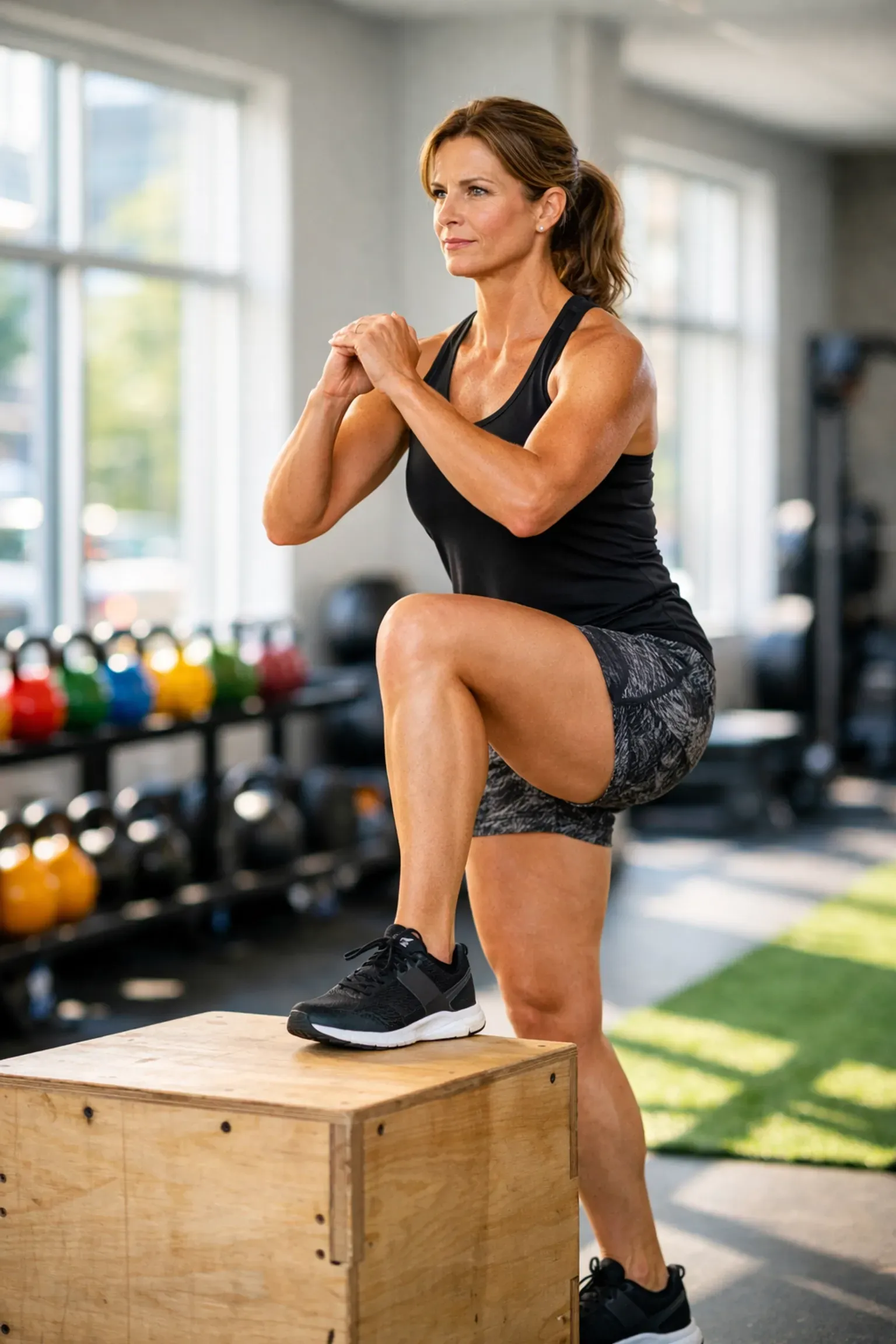
In our 20s, we worked out to look good at Higgins Beach. In our 40s and beyond, we work out so our knees don't sound like a bowl of Rice Krispies every time we take the stairs.


Joint health is everything. As we age, our cartilage thins, and our tendons become less elastic. If you love hiking and biking, your knees, hips, and lower back are taking the brunt of the impact.


At our performance fitness studio, we don't just throw random exercises at you. We focus on:

  • Proper Mechanics: Are you squatting in a way that’s crushing your kneecaps?
  • Stability: Can your ankles handle an uneven trail, or are they one root-trip away from a sprain?
  • Deceleration: Most hiking injuries happen on the way down. We train your muscles to act as brakes, protecting your joints from the jarring impact of downhill movement.

If you’re already feeling the "Maine ache," you might even want to check out our physical therapy services to get a baseline before you start pushing your limits.

The Secret Ingredient: Functional Strength

You’ll hear the term "functional strength" thrown around a lot, but what does it actually mean for someone living in Southern Maine?


It means having the core strength to hoist a heavy kayak onto the roof of your car without your back going "sproing." It means having the grip strength to carry all those heavy grocery bags from the Portland Farmers’ Market in one trip (because taking two trips is a sign of weakness, obviously).


Our approach to personal training is built around these real-world movements. We use a combination of resistance training and mobility work to ensure your body moves as a cohesive unit.

When your muscles are strong and they know how to work together, they take the pressure off your joints. That’s the ultimate injury prevention strategy.
Meet the Team Keeping Portland Moving

You aren't just a number here. You're part of a community. When you walk into EA Fitness & Performance, you’re working with experts who actually understand the mechanics of the 40+ body.


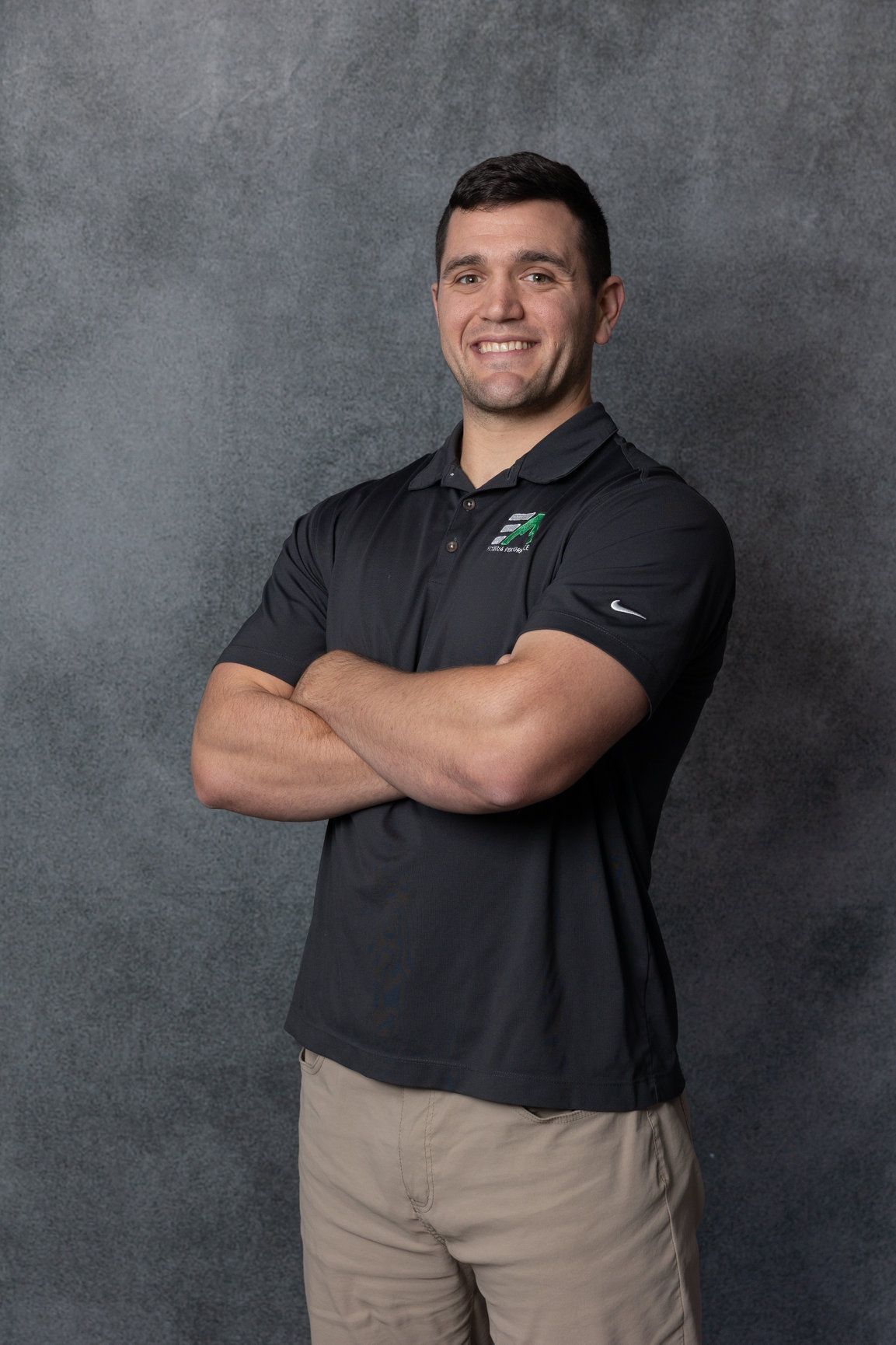
Our owner, Evan Amell, has built a culture that’s supportive, not intimidating. We’re not a "meathead" gym. We’re a place where people come to get better at life.


Whether you’re working with Andrew Goyet or Isaac Wilkins, the focus is always on your specific goals. Do you want to bike the Casco Bay loop without hip pain? Tell us. Do you want to be able to garden for four hours without needing a nap and a heating pad? We can help with that too.

Why Small Group Training is a Game Changer

Maybe one-on-one training feels a bit too "intense" for you, or maybe you just enjoy the social aspect of working out. This is where our small group training shines.


You get the expertise of a personal trainer: someone watching your form, correcting your posture, and cheering you on: but at a fraction of the cost. Plus, you’re surrounded by other people in your age bracket who are also trying to stay fit and healthy.


There’s something incredibly motivating about sweating it out with neighbors from around Portland, South Portland, and Cape Elizabeth. It turns a "chore" into a highlight of your day.
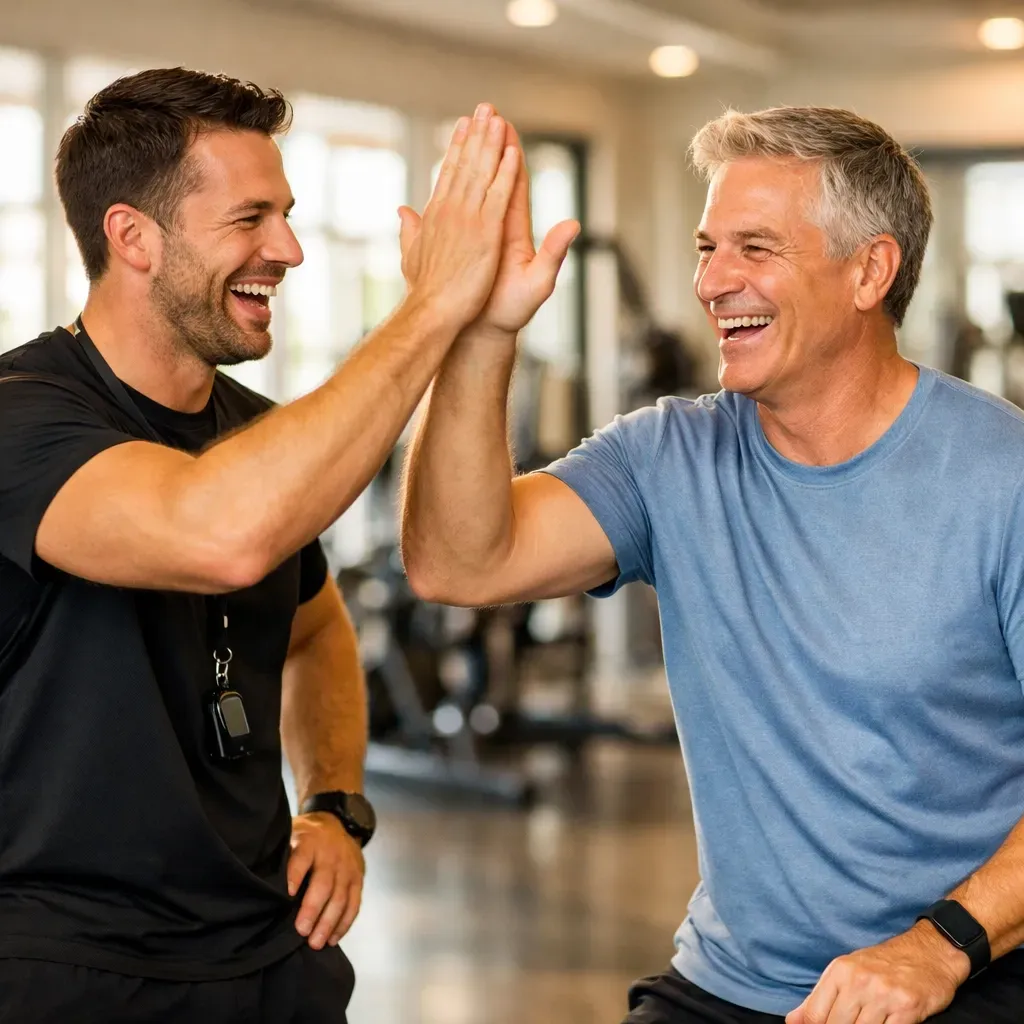
3 Quick Tips to Stay Injury-Free This Week

While you're waiting for your first session at our performance fitness studio, here are three things you can start doing today to protect yourself:

  1. Hydrate Like It’s Your Job: Dehydrated muscles are brittle muscles. If you’re heading out for a Maine summer adventure, drink more water than you think you need. ✅
  2. The 10-Minute Warm-Up: Don't just jump out of the car and start a steep incline. Walk on flat ground for 10 minutes to get the synovial fluid moving in your joints. It’s like WD-40 for your body. ✅
  3. Listen to the "Niggles": If something feels "off," it probably is. Don't push through sharp pain. Rest, ice, and then come see us to figure out why it’s happening. ✅

Ready to Claim Your Summer?

Don’t let another summer pass you by while you sit on the sidelines. You’ve worked hard to enjoy this time of year, and you deserve a body that can keep up with your ambitions.


Whether you're looking for elite nutrition coaching to shed a few pounds or targeted personal training in Portland Maine to bulletproof your joints, we’ve got your back. Literally.


Stop worrying about what might break and start building a body that won't.

If you have questions about our philosophy or just want to see if we're a good fit, check out our FAQs or reach out to us directly through our contact page.


Let’s make this the summer you actually get to do everything on your Maine bucket list: injury-free.

Stay strong, stay moving, and we'll see you in the studio!

Evan Amell
Owner, EA Fitness & Performance

recent posts
By Evan Amell • November 12, 2026
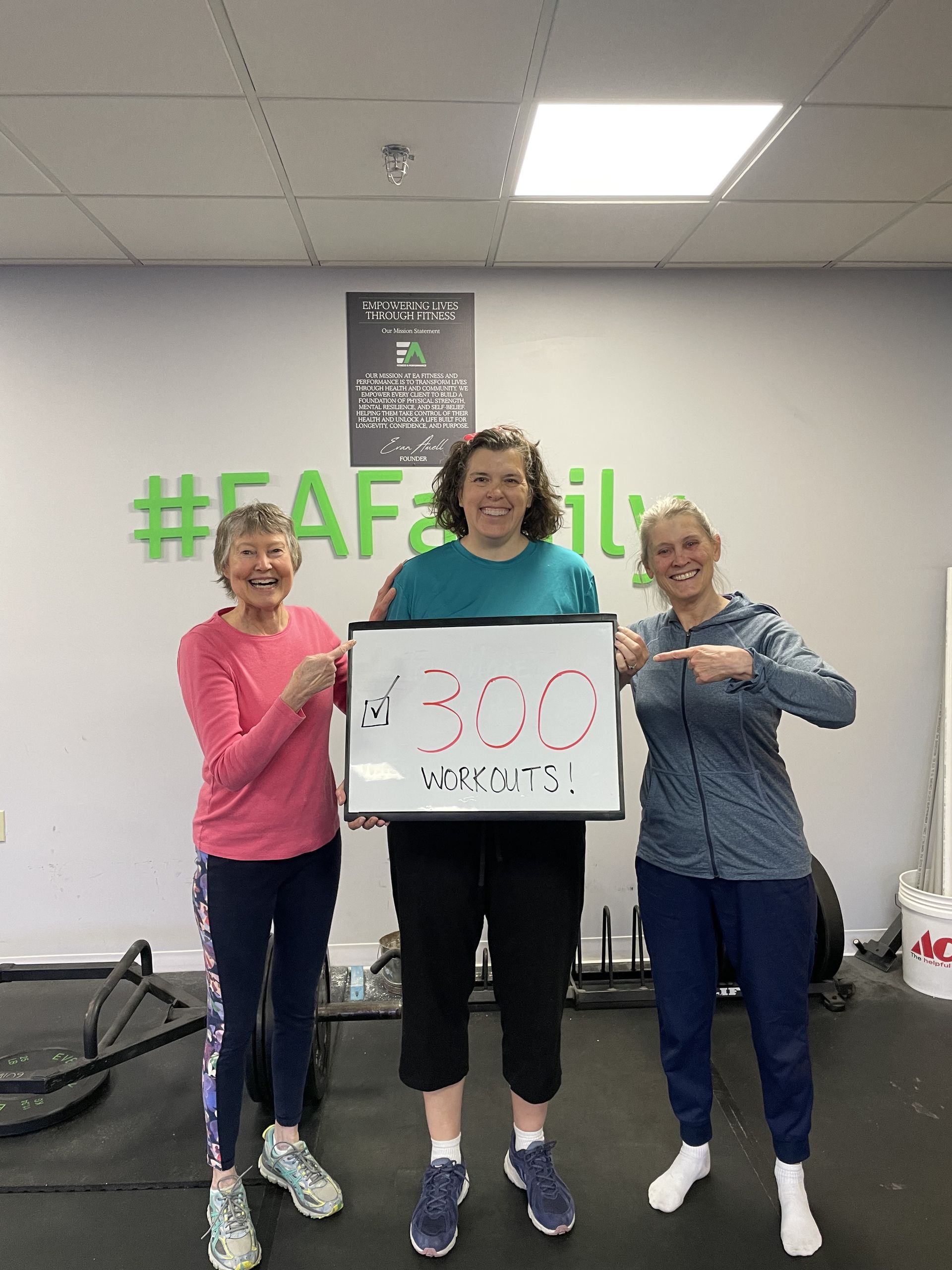
Walking into a gym for the first time can feel exposing. And if it’s been 20 years since your last workout, that first step can feel even bigger. Maybe you’re worried you won’t know where to go. Maybe the machines look like they need an instruction manual. Maybe you’re imagining that everyone will notice you, judge you, or somehow know you’re new. You’re not alone. For many people, the fear isn’t really about exercise. It’s about feeling like a beginner everywhere you look. So let’s make that first visit a little less mysterious. First: You’re not the only one who feels this way It’s easy to look around and assume everyone else knows exactly what they’re doing. But every person who now feels at home in a fitness studio had a first day once. And most people are far more focused on their own workout than on what you’re doing. That confident 6 AM regular isn’t keeping score of the newcomers. They remember what it felt like to start, and many will respect you for showing up. If you’re looking at fitness centers in Portland, Maine and wondering whether you’ll fit in, here’s what matters: you don’t have to arrive fit, experienced, or confident. You just have to arrive as you are. What your first visit at EA looks like Knowing what’s coming can make a big difference. Here’s how we make room for questions, conversation, and a comfortable start. 1. You arrive, and someone welcomes you You won’t be expected to wander around and figure it out alone. We’ll greet you at the door and help you get settled. Often, we’ll know your name before you know ours. No secret handshake. No test. Just a friendly hello. 2. You sit down and talk first Your first visit starts with a conversation, a success session, not a surprise workout. We’ll ask about your goals, your past experience, your schedule, and anything that’s affecting how you move, including injuries or concerns. And we’ll listen. Maybe you want to feel stronger carrying groceries, have more energy for your family, or finally find an exercise routine that feels manageable. That’s useful information. You don’t need to show up with a perfect goal or a five-year plan. 3. We show you around We’ll tour the space together so you can see where things are and ask whatever you’d like. Not sure what a piece of equipment does? Ask. Want to know where to put your things? Ask that, too. There are no “silly” questions here. If something feels unfamiliar, that’s exactly why a coach is there. 4. We can check how you move, if you want Depending on your needs and comfort level, we may offer a movement screen or an InBody scan. These can give us helpful information to guide your plan. They’re optional, and they aren’t a pass-or-fail test. You’re welcome to ask what a check-in involves before deciding. This is your starting point; you get to be part of the conversation. 5. Your first session is coached throughout When you’re ready to train, your coach stays with you and guides you through the session. We demonstrate every exercise and adjust it to your level. You won’t be handed a list and left to guess what comes next. You might choose one-on-one personal training or small group training . Either way, the goal is a session that fits you, not a workout designed to impress someone else. “But what should I wear? And what if I can’t do the exercises?” Wear something comfortable that lets you move. You don’t need fancy gear, the latest shoes, or a matching outfit. A T-shirt, comfortable pants or shorts, and supportive shoes are a perfectly good start. And you won’t be asked to do something you can’t do. Exercises can be adjusted. The weight can be lighter. The movement can be simpler. Taking a break is always an option. A few other worries we hear: “What if I get really sore?” Some muscle soreness can happen when you try something new. Tell your coach how you’re feeling so the plan can be adjusted. “What if something hurts?” Stop and let your coach know. Pain isn’t something you need to push through to prove you belong. “Will anyone yell at me?” No. Coaching should feel clear and encouraging, not intimidating. “Will people compare me to others?” Your training is based on your needs and starting point, not someone else’s workout. “What if I’m still nervous next time?” That’s normal, too. You can be nervous on visit one and still feel nervous on visit three. Familiarity often takes a little time. Stop. You don’t have to feel completely confident before you begin. Confidence can grow as you get to know the space, your coach, and what your body can do. “I’m over 40. Am I too far gone, or will I be the oldest person there?” That thought can carry a lot of weight. You might picture a room full of people decades younger, already strong and comfortable. But that picture isn’t the whole story. At EA, our community is largely made up of people in their 40s and 50s, and beginners are the norm, not the exception. People arrive with different histories, abilities, and goals. Some are getting back into exercise after a long break. Some are starting for the first time. That’s part of what makes the room feel welcoming. And you don’t have to keep up with anyone. Your coach will help you find a starting point that makes sense for you, then build from there at a pace you can manage. Why small group training can feel easier than going it alone Starting on your own can leave you with a lot of questions: Am I doing this right? What should I do next? Is everyone looking at me? In a coached small group, you have structure and support. Your coach guides the session, demonstrates the exercises, and helps adapt them. The people around you aren’t there to judge you. They’re there to work on their own goals, and many were in your exact seat a few months ago. That shared experience can make all the difference. You don’t have to be the most outgoing person in the room to feel part of it. Make the first step small If you’ve been putting this off, you don’t have to decide everything today. Your first goal doesn’t need to be a perfect workout plan or a new routine you’ll follow forever. It can simply be: visit, meet a coach, and look around. That’s enough for one day. And if you’re still deciding between personal trainers in Portland, Maine , you can ask about the coaching approach and what support is available before you commit to anything. Your first visit is a conversation, not a test You don’t need to prove that you’re fit enough to belong in a fitness studio. You belong because you’re taking a step toward caring for yourself. Whatever your starting point. Come in, meet a coach, and take a look around. Ask the questions you’ve been holding onto. If it feels like a fit, we can talk about what comes next. If it doesn’t, there are no hard feelings. Get started with a conversation , or contact our team with a question before you visit. You don’t have to walk in without nerves. You just don’t have to walk in alone. Evan Amell
By Evan Amell • November 5, 2026
The stretch from Thanksgiving through New Year’s can feel like a choice between two extremes: putting your goals on hold or trying to avoid every treat and celebration. You don’t have to choose either one. If you’re working on weight loss, a realistic holiday goal may be to maintain your progress, keep a few helpful habits going, and enjoy the moments that matter to you. Not gaining weight through a busy season is a legitimate win. You can arrive in January with your routine intact instead of feeling like you need to start over. And if family, work, travel, or a packed calendar make consistency harder than usual… you’re not alone. The answer isn’t perfection. It’s a plan that leaves room for real life. The biggest challenge isn’t one holiday meal A holiday dinner is one meal. It may be larger or richer than your usual dinner, but it’s just one point in a much bigger season. What can add up is the stretch of unplanned extras around it: cookies left on the counter, festive drinks at several events, frequent bites while cooking, and the “it’s the holidays” grazing that happens day after day. One meal is a blip. Six weeks of automatic snacking can become a pattern. That doesn’t mean you need to avoid seasonal foods. It means you can make them more intentional. A prospective study following adults over the holiday period found an average gain of about 0.8 pounds. Less than many people expect, but a reminder that small changes across several weeks can accumulate. Read the study . So instead of asking, “How do I make it through the holidays without eating anything fun?” try asking: “How do I enjoy what I love without turning every day into a celebration?” Make maintenance your holiday goal Weight loss usually requires a consistent calorie deficit. That can be harder to maintain when your routine changes and your calendar fills up. For many busy adults, especially if you’re over 40 and balancing work, family, and other responsibilities, a steadier goal through the holidays is to keep your momentum. That might mean continuing to lose slowly, or maintaining your weight while you protect the routines that support your health. You don’t have to chase aggressive results during a demanding season. Think of the next few weeks as keeping the foundation strong: regular meals, planned movement, strength training, and a little flexibility. Stop treating one celebration as a test you either pass or fail. Your progress is built from what you do most of the time, not what you eat at one dinner. A practical plan for holiday gatherings You don’t need a complicated set of food rules. A few small decisions can help you feel satisfied without arriving ravenous or leaving uncomfortably full. Before you go Don’t arrive starving. Have your regular meals. Skipping lunch to “save room” can leave you overly hungry later. Keep breakfast and lunch simple and satisfying. For example, try eggs with fruit at breakfast, then chicken or beans with vegetables at lunch. Decide what you’re most looking forward to. Maybe it’s your grandmother’s pie, your aunt’s stuffing, or a particular appetizer. Make room for the food you genuinely enjoy. At the table Take a look before filling your plate. Start with protein and vegetables, then add the holiday dishes you want to try. Choose favorites, not everything by default. Enjoy the homemade pie if you love it; skip the grocery-store cookies you don’t care about. Eat seated and take your time. Give yourself a moment to notice when you’re comfortably satisfied before going back for more. With drinks and snacks Sweet drinks and alcohol can add up without feeling as filling as a meal. You don’t have to skip them, but you can choose smaller servings, alternate with water, or decide ahead of time which occasions are worth a festive drink. And when you’re home? Put treats away rather than leaving them in your daily line of sight. Portion leftovers and decide when you’ll enjoy them, instead of grazing each time you pass the kitchen. Keep your anchor habits on the calendar When the season gets busy, it’s tempting to think that workouts only count if they’re long and intense. They don’t. If strength training is part of your routine, keep two or three sessions a week on your calendar when you can. If a full workout won’t fit, shorten it rather than canceling automatically. A focused 25-minute session is a useful way to stay connected to your routine. Try: Booking your workouts before the week fills up. Choosing session times you can realistically protect. Using a brisk walk as a simple way to add movement on a busy day. Taking a family walk after a big meal, or walking with a friend instead of catching up over another round of snacks. Movement doesn’t have to be punishment for eating. It can be a way to feel better, enjoy time with people you care about, and stay active during a season that often involves a lot of sitting. At EA Fitness & Performance, our personal training in Portland, Maine and small group training are built around your goals and starting point. A coach can help you choose a realistic plan for weeks when your schedule changes, so you’re not left wondering whether a shorter workout is still worthwhile. Leave room for the events that matter Trying to be “perfect” at every meal can turn the whole season into a battlefield. Instead, decide which celebrations matter most to you, and plan around those. If you have a big dinner on Saturday, you can keep your usual routine on Friday and Sunday. If you’re going to a party, enjoy the foods you really want there, then return to your normal meals the next day. That isn’t “making up for it.” It’s simply continuing with your life. A useful mindset: one indulgent meal is a data point, not a verdict. A missed workout doesn’t erase your effort. Neither does a dessert, a family dinner, or a busy week. What matters is the next choice, and you get to make it without guilt. If tracking your weight is comfortable for you, pay attention to the general trend rather than reacting to a single reading after a salty or larger meal. If weighing feels stressful or unhelpful, focus instead on behaviors you can see: workouts completed, walks taken, regular meals, and fewer unplanned snacks. Make your plan fit your life, not the other way around You don’t need to navigate the holidays alone, and your plan doesn’t have to be all-or-nothing. Our coaches can help you map out the season around your actual calendar. Small group sessions add accountability and community when motivation dips. And nutrition coaching focuses on practical habits you can carry into holiday meals and beyond, not crash diets or rigid food rules. If you’re looking for fitness in Portland, Maine, and want support that meets you where you are, we’d be glad to help you make a plan that feels realistic. Want to feel prepared before Thanksgiving? Book a free success session with our team. We’ll talk through your goals, your schedule, and a few simple ways to keep your progress moving through the season. You can enjoy the pie, show up for your workouts when you can, and keep taking care of yourself. You don’t have to choose between celebrating and making progress. 🎄 Evan Amell Owner, EA Fitness & Performance
By Evan Amell • October 29, 2026
If you’ve ever told yourself, “I’ll work out when I have more time,” you’re not alone. Work deadlines move. Kids need a ride. The weather turns. And after 40, your energy and schedule may not look the same from one day to the next. That’s why waiting to feel motivated, or deciding each day whether you’ll exercise, can make consistency harder than it needs to be. Try this instead: schedule your workouts in advance as real calendar appointments. Choose days and times you can repeat, and decide ahead of time what you’ll do if life gets in the way. It’s a simple way to make fitness part of your week, not one more decision you have to wrestle with. Why motivation isn’t a reliable schedule Motivation is useful when it shows up. But it doesn’t always arrive at a convenient time. If you decide every day whether to work out, you’re asking yourself to negotiate with a busy calendar over and over. “Should I go before work? Maybe after dinner? I’m tired today… I’ll try tomorrow.” Before long, tomorrow keeps moving. A calendar appointment gives your workout a place in the week before other tasks fill every open space. You’re not promising to feel excited. You’re making a practical plan for when and where you’ll move. Research on physical activity planning supports this approach. Studies have found that specifying when and how you’ll exercise can help people follow through. Planning isn’t a magic fix, though: the plan still needs to be realistic and flexible enough to survive a normal week. You can read a review of planning interventions for physical activity and a systematic review on implementation intentions . Think of your calendar as a helpful map, not a test you pass or fail. ✅ Pick repeatable times, not perfect times The best workout time isn’t the one that looks impressive on paper. It’s the one you can come back to most weeks. If early mornings are already a struggle, don’t schedule five 5 a.m. sessions because you think you “should.” If evenings often get swallowed by work or family responsibilities, be honest about that too. Start by asking: Which two or three days usually have the fewest conflicts? What time of day tends to work with your energy and responsibilities? How long can you realistically set aside? What kind of workout would you be willing to repeat? For example, you might choose strength training on Tuesday and Thursday at 7 a.m., plus a 20-minute walk on Saturday morning. Or perhaps lunchtime and an early evening session fit better. There’s no gold star for choosing a time that doesn’t suit your life. If you’re new to regular exercise, or returning after a break, begin with a manageable commitment. Two planned sessions are a solid starting point. You can build from there when the routine feels steady. Make the appointment specific “Work out sometime Wednesday” leaves a lot of room for delay. A more useful calendar entry answers a few simple questions: When will you start? Choose a time you can protect. Where will you go? Name the place, whether that’s your gym, home, or a nearby route. What will you do? Write down the type of workout, such as a coached strength session or a brisk walk. How long will it take? Give yourself a realistic window, including travel if needed. Instead of “exercise,” your appointment could say: Thursday, 5:30 p.m., 30-minute strength session at EA Fitness & Performance. That little bit of detail makes it easier to picture the plan and act on it. You’re taking a vague intention and turning it into an appointment you can prepare for. And please don’t make the session so ambitious that you need a perfect day to complete it. A focused 25-minute workout is more likely to fit into a busy week than a plan that requires an hour and a half, special conditions, and unshakable enthusiasm. Always have a backup plan Life will interrupt your schedule sometimes. That doesn’t mean you’ve lost your consistency. It means you’re living a life. Before the week begins, decide what you’ll do if a workout gets disrupted. Use a simple “if this happens, then I’ll do that” plan: If Tuesday’s session runs into a work deadline, then I’ll move it to Wednesday at 6 p.m. If I can’t make it to the gym, then I’ll do 15 minutes of bodyweight strength work at home. If I’m low on time, then I’ll do a shorter version instead of skipping the day completely. Your backup should be convenient, not punishing. A short walk, a few rounds of simple strength exercises, or a shorter coached session can keep the habit alive on a hectic day. Follow your coach’s guidance and choose movement that suits your current ability. A shorter workout still counts. You don’t need to “make up” for a disrupted day with an exhausting session later. Just return to your next planned appointment. Your simple weekly setup Try this once a week, perhaps Sunday evening or whenever you usually check your schedule. It should take only a few minutes. 1. Choose your minimum. Pick two or three sessions that feel doable, not your ideal week, your ordinary week. 2. Add each session to your calendar. Include a start time, location, and a simple description of what you’ll do. 3. Add a reminder and prepare one thing ahead. Set a notification, lay out your clothes, pack your bag, or put your walking shoes by the door. 4. Write down one backup for each session. Choose another time or a shorter version you can do if your day changes. 5. Review without judgment. At the end of the week, notice what worked. If a time repeatedly didn’t fit, change the appointment. The goal is a plan that supports your life, not a calendar you have to obey perfectly. That’s it. No elaborate tracking system required. Just a realistic plan, a backup, and permission to adjust. Support can make the plan easier to keep Sometimes the hardest part isn’t choosing a time. It’s knowing what to do when you get there, or having someone help you stay accountable when your week gets busy. That’s where personalized coaching can help. At EA Fitness & Performance , a coach can help you choose an appropriate starting point and build a plan around your goals, experience, and schedule. Our small group training adds coaching and community, so you’re not trying to figure everything out alone. If you’re looking for a personal trainer in Portland, Maine , you don’t need to have your routine all figured out before asking for support. Bring your questions, your schedule, and even the parts that have been difficult. We can help you find a starting point that feels practical. Consistency isn’t about never missing a workout. It’s about making a plan you can return to, and adjusting it when life changes. So take two minutes today. Open your calendar, choose your next realistic workout time, and give it a name. If the day gets complicated, use your backup. If all you can manage is a shorter session, that still counts. You’re building a habit one appointment at a time. 💪 Evan Amell EA Fitness & Performance