Golf Season: How to Stay Strong and Injury-Free on the Green
There’s nothing quite like that first Saturday morning at your favorite course here in Southern Maine. The air is crisp, the dew is still on the grass at Nonesuch River or Dunegrass, and you’re ready to finally put all those winter range sessions to the test. 🏌️♂️
But let’s be real for a second...
How many times has your season been cut short by a nagging lower back twinge? Or maybe by July, you notice that your drives just don’t have the same "oomph" they did in May? It’s a common story, especially for those of us navigating the game in our 40s, 50s, and beyond. We wait all winter for these few glorious months of golf, only to spend half of them nursing an injury or feeling physically drained.
The "old school" way of thinking was that you train in the winter and just "play" in the summer. But if you want to stay on the course, play pain-free, and actually keep the progress you made in the off-season, in-season training is your secret weapon.
At EA Fitness & Performance, we see it every year. The golfers who keep up with their strength and mobility work during the season are the ones still swinging hard in September while everyone else is scheduled for physical therapy.
Let’s dive into why staying in the gym: even just twice a week: is the best thing you can do for your scorecard and your health.
Why "Maintenance" is the Goal (and Why Stopping is a Mistake)
Think of your body like a high-performance vehicle. You wouldn't take a classic car out for a 1,000-mile road trip without checking the oil or the tires, right? Your body is the engine behind your golf swing.
When you stop strength training during the golf season, your body begins to lose the very stability and power that protects your joints. Golf is a one-sided, high-velocity rotational sport. That’s a fancy way of saying it puts a lot of weird stress on your spine and hips.
Without consistent strength work to balance things out, those repetitive swings start to take a toll. You start to "leak" power, and more importantly, you start to compensate.
Stop. If you feel like you have to "protect" your back during a swing, you've already lost the battle.
In-season training isn't about hitting new personal records on the bench press. It’s about:
- ✅ Maintaining muscle mass: Keeping the strength that protects your joints.
- ✅ Preserving mobility: Ensuring your hips and mid-back can actually turn.
- ✅ Fatigue management: Making sure you feel as strong on the 18th hole as you did on the 1st.
Protecting the "Big Three": Back, Hips, and Shoulders
If you’re over 40, you know that the "Big Three" are usually the first things to complain after a long weekend of golf.
1. The Lower Back (The Lumbar Spine)
Most golf-related back pain comes from the lower back trying to do a job it wasn't meant for: rotation. Your lower back is designed for stability; your middle back (thoracic spine) and hips are designed for rotation. When your hips are tight, your lower back tries to twist to make up the difference. Ouch.
In-season training focuses on "anti-rotation" exercises: teaching your core how to stay rock-solid so your back doesn't take the brunt of the swing.
2. The Hips
Your power comes from the ground up. If your glutes are "asleep" (a common side effect of sitting at a desk all week), your swing will rely entirely on your arms. Our personal training sessions focus heavily on hip hinge patterns and lateral stability to keep those "golf muscles" firing.
3. The Shoulders and Elbows
Ever heard of "Golfer's Elbow"? It’s usually an overuse injury caused by poor shoulder stability or a death-grip on the club. By keeping your upper back strong, you take the pressure off those smaller, more delicate joints.
The "Minimum Effective Dose": How Much Training Do You Really Need?
We get it. You want to be on the course, not in the gym. The good news? You don't need to spend hours under a barbell to see results.
During the season, we recommend what we call the "Minimum Effective Dose." This is usually two 45-minute sessions per week.
A great in-season session looks like this:
- Dynamic Warm-up: Waking up the nervous system and opening the hips.
- Power Development: 1-2 exercises (like med ball slams) to keep your fast-twitch fibers ready to explode.
- Strength Maintenance: A full-body circuit that hits the basics (squat/hinge, push/pull) without causing extreme soreness.
- Core & Mobility: Targeted work for the "Big Three" we mentioned above.
The goal isn't to leave the gym feeling exhausted. It's to leave feeling athletic.
Why Now is the Best Time to Start (Even if You're Mid-Season)
"I'll just wait until the fall to get back into it."
We hear that a lot. But here’s the truth: waiting until the fall means you'll spend the first two months of your "off-season" just trying to get back to where you were in May. You’re essentially starting from zero every single year. 📉
By starting now, you:
- Prevent the "Mid-Season Slump": Most golfers start feeling tired and "stiff" by July. You’ll be the one speeding past them.
- Enjoy Your Rounds More: Golf is a lot more fun when you aren't worried about how your back will feel the next morning.
- Build a Habit: It’s much easier to transition into a more intense winter program if you never stopped moving in the first place.
The Power of Community at EA Fitness
One of the biggest hurdles to staying consistent in the summer is motivation. When the sun is shining, the gym can feel like a chore.
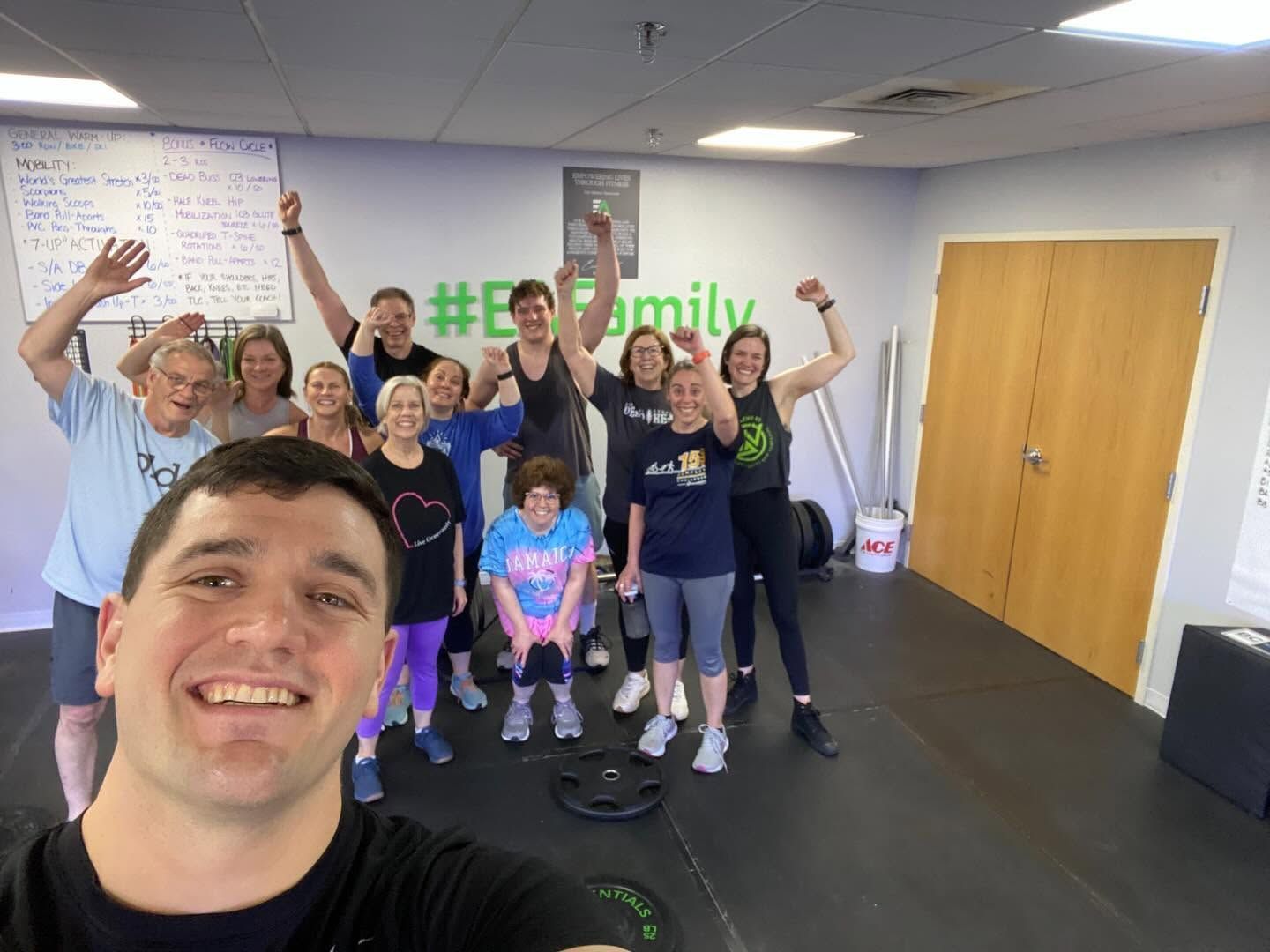
That’s where our small group personal training comes in. You aren't just working out; you’re training alongside other people in Southern Maine who share your goals (and probably your love for a good round of golf). It's a supportive, welcoming environment where you’ll find the accountability you need to stay on track.
Plus, we don't just stop at the workout. Our nutrition coaching can help you dial in your hydration and fueling so you don't "crash" at the turn. 🥪
Ready to Play Your Best Season Ever?
You’ve invested in the clubs. You’ve paid the greens fees. Now it’s time to invest in the most important piece of equipment you own: your body.
Don't let another season slip away to "minor" injuries and lost distance. Let’s make this the year you stay strong, stay mobile, and stay on the green.
Stop guessing and start progressing.
If you’re ready to see how a golf-specific approach can change your game, we’d love to help. Click here to contact us and schedule a consultation. Let’s get you ready for your best back nine yet!
Stay strong,
The EA Fitness & Performance Team 🏌️♂️💪
recent posts